Imagine never climbing a ladder to hang Christmas lights again.
No tangled strands. No broken bulbs. No freezing afternoon spent trying to remember which extension cord goes where. And no weekend in January devoted to taking everything back down.
For homeowners and businesses throughout Reno, Sparks, and Northern Nevada, permanent holiday lighting offers a completely different approach.
Professionally installed, low-profile LED lighting can remain discreetly integrated into your property year-round, ready to transform your home or business for Christmas, Halloween, Independence Day, birthdays, game days, special events, or simply a beautiful evening outdoors.
And when the holidays are over? You don't have to take anything down.
But perhaps the biggest misconception about permanent holiday lighting is that it's only for the holidays.
It isn't.
Modern systems can also provide elegant architectural accent lighting that enhances your property throughout the entire year.
Permanent holiday lighting is a professionally installed LED lighting system designed to remain on your home or commercial property throughout the year.
Unlike temporary Christmas lights that are attached with clips, staples, hooks, or extension cords every season, permanent lighting is integrated along rooflines and architectural features.
Enhanced Electrical installs Gemstone Lighting, a permanent outdoor architectural lighting system designed for both residential and commercial properties. The low-profile fixtures are intended to remain barely noticeable during daylight hours while producing vibrant, customizable illumination at night.
The result is essentially two lighting systems in one: Holiday lighting when you want to celebrate. Architectural lighting when you don't.
That versatility is what makes permanent lighting such an attractive upgrade.
Schedule a consultation with Enhanced Electrical by calling 775-830-2033 or visiting EnhancedElectrical.net.
Christmas may be the first thing that comes to mind, but a permanent lighting system doesn't have to spend eleven months waiting for December.
You can customize your lighting throughout the year for occasions such as:
Gemstone's control system allows users to manage colors, patterns, brightness, and schedules through its app. The system offers more than 1,200 prebuilt patterns that can be further customized, allowing the appearance of the property to change without changing the physical lights.
One evening your home can glow in an elegant warm white. The next, it can become orange and purple for Halloween. Then red, white, and blue for Independence Day.
And when there is nothing to celebrate except a beautiful Northern Nevada evening, you can return to subtle architectural lighting.
This is where permanent holiday lighting becomes especially interesting.
Homeowners often invest considerable thought and money into architecture, landscaping, exterior finishes, and curb appeal. Yet after sunset, many of those details disappear.
Architectural lighting can selectively illuminate rooflines and exterior features so the design of the home remains visible after dark.
Gemstone Lighting incorporates a dedicated 2800K warm-white diode, allowing the system to produce a softer, more traditional architectural glow rather than requiring homeowners to use colored lighting all the time. Brightness can also be adjusted to create anything from a subtle accent to a more dramatic effect.
In other words, you don't have to make your house look like Christmas in July. Unless, of course, you want to.
One concern homeowners sometimes have about permanent lighting is appearance: Will there be an obvious row of lights attached to the house all year?
A professionally designed system should complement the architecture rather than compete with it.
Gemstone offers multiple track configurations and more than 150 track colors, using color-matching technology to coordinate the installation with the property's exterior. Enhanced Electrical notes that the fixtures are designed to remain low-profile during the day while becoming bright and vibrant when illuminated at night.
That makes the installation feel much more like part of the home than a seasonal decoration left up permanently.
Anyone who lives in Reno or Sparks knows that Northern Nevada weather asks a lot from anything installed outdoors.
Hot summer sun can be followed months later by freezing temperatures, snow, rain, and wind.
Permanent exterior lighting therefore needs to be designed for more than appearance. The Gemstone systems Enhanced Electrical installs are engineered to withstand Nevada's climate extremes and use water-resistant components designed for exposure to snow, rain, and intense sunlight. The system also incorporates watertight connectors, surge protection, fuse protection, and additional safety redundancies. Components are ETL and UL certified.
Professional installation is especially important because permanent lighting isn't simply decoration, it's an electrical system that will remain attached to your property year-round.
Enhanced Electrical has served the Reno/Sparks community since 2012 and provides licensed and insured residential and commercial electrical services throughout Northern Nevada.
Call 775-830-2033 to schedule a consultation with Enhanced Electrical, or visit Enhanced Electrical to request service online.
Permanent lighting isn't just for homeowners.
For restaurants, retail stores, offices, hospitality properties, entertainment venues, and other commercial buildings, exterior lighting will help your property stand out after dark.
During the holidays, businesses can create festive displays without arranging temporary installation and removal every year.
Throughout the rest of the year, the same system can be used for architectural illumination, company colors, promotions, events, or seasonal campaigns.
Enhanced Electrical provides commercial permanent lighting installations ranging from individual storefronts to larger commercial properties and complexes.
For a business, that can turn exterior lighting from an annual decorating project into a reusable marketing and property-enhancement asset.
Modern permanent lighting systems use LED technology, which allows them to produce strong illumination while using relatively little electricity compared with older lighting technologies.
Enhanced Electrical specifically identifies energy efficiency as one of the advantages of its Gemstone systems.
Smart controls add another advantage.
Rather than leaving lights operating unnecessarily, homeowners and businesses can create schedules and timers so lighting operates when desired and turns off automatically.
That gives property owners more control over both the visual effect and operating time.
It can be tempting to think of permanent holiday lighting as a larger version of hanging Christmas lights. It isn't.
A permanent system requires thoughtful planning around the architecture of the property, electrical requirements, track placement, visibility, weather exposure, and the desired nighttime appearance.
A professional installer can help determine where lighting should be positioned, how tracks can best blend with exterior finishes, where power should be supplied, and how the system should be configured for long-term use.
Enhanced Electrical designs permanent lighting solutions for both residential and commercial properties and installs the systems as part of its broader electrical and lighting services.
The objective isn't simply to install lights. It's to make the lighting look like it was designed as part of the property from the beginning.
Here's the simple answer: Before you need it.
Many homeowners don't start thinking about holiday lighting until the holiday season has already arrived.
Permanent lighting changes that equation. Because the system remains in place throughout the year, installation can be planned well before the holiday rush. Once it's installed, your property is ready whenever the next celebration arrives.
And because the system can also function as architectural lighting, there is no reason to wait until November or December to enjoy it.
Once it's there, the calendar becomes part of the fun rather than part of the work.
There will always be something nostalgic about traditional Christmas lights.
There is considerably less nostalgia associated with tangled cords, icy ladders, burned-out strands, storage bins, and spending January taking everything back down.
Permanent holiday lighting offers another option.
One professionally installed system can give your home or business customizable holiday displays, architectural accent lighting, programmable schedules, smart controls, and year-round flexibility.
Enhanced Electrical installs permanent Gemstone holiday and architectural lighting for residential and commercial properties throughout the Reno/Sparks area.
Schedule a consultation today to explore the right permanent lighting design for your home or business.
Call Enhanced Electrical at 775-830-2033 or visit EnhancedElectrical.net to get started.
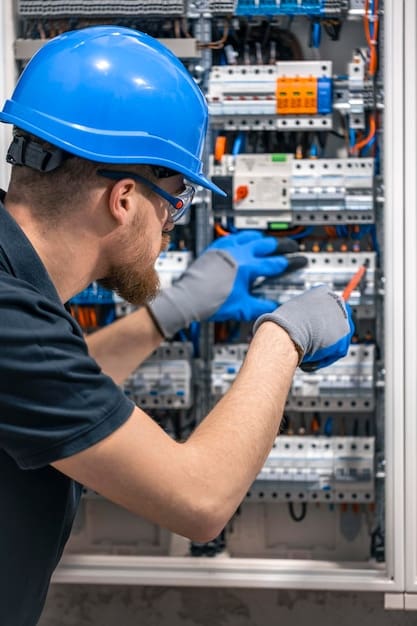
Commercial tenant improvements can completely transform a property. An empty shell can become a restaurant. An outdated office can become a modern professional workspace. A retail location can be redesigned for a new brand, and a warehouse can be adapted for an entirely different type of operation.
But behind the new walls, finishes, lighting, equipment and technology is something that can determine whether the entire project works as intended: The electrical system.
Electrical planning is one of the most important, and sometimes underestimated, parts of a commercial tenant improvement project.
For property owners, general contractors, developers and tenants throughout Reno, Sparks and Northern Nevada, involving an experienced commercial electrical contractor early will help identify potential electrical limitations, prevent costly changes during construction, improve safety and keep the project moving toward completion.
For many tenant improvement projects, Enhanced Electrical can take that involvement a step further through a design-build electrical approach. When Enhanced Electrical performs the electrical work, our team also provides the electrical consultation, required electrical calculations and electrical drawings for permit submission, potentially eliminating the need to hire a separate electrical engineer and reducing overall project costs.
If you're planning a commercial tenant improvement or remodel in the Reno-Sparks area, involving Enhanced Electrical early can help you determine the most efficient path from electrical planning and design through permitting and installation.
Schedule a consultation by calling (775) 830-2033 or visiting EnhancedElectrical.net.
A commercial tenant improvement, often referred to as a TI or tenant build-out, is the modification of an existing commercial space to accommodate the requirements of a new or existing tenant.
Tenant improvements can range from relatively straightforward changes to major renovations.
Projects may include:
Every change can affect the electrical requirements of the property. That's why electrical planning shouldn't begin after construction has already started.
It should be part of the project from the beginning.
Before designing the electrical requirements for a tenant improvement, you first need to understand what is already there. An existing commercial building may have been designed decades ago for an entirely different type of tenant.
The first question isn't simply: “What does the new tenant need?”
It's also: “Can the existing electrical system support it?”
A commercial electrical assessment may evaluate:
This becomes particularly important when changing how a commercial property will be used.
An office, for example, may have relatively modest electrical requirements compared with a restaurant filled with refrigeration, cooking and ventilation equipment. Likewise, converting warehouse space into a manufacturing operation may introduce significant new electrical loads.
Discovering those limitations before construction begins is far better than discovering them after walls, ceilings and finishes have already been installed.

Modern businesses use more electricity than ever.
Computers, servers, commercial appliances, HVAC systems, specialized equipment, security systems, displays, chargers and automation technologies can dramatically increase electrical demand.
During a tenant improvement, the electrical contractor needs to understand both the tenant's current requirements and reasonable future needs. Depending on the business, those electrical loads can vary considerably.
Office spaces may require power for computer workstations, conference-room technology, servers, networking equipment, break-room appliances, charging stations, security systems and HVAC equipment.
Retail spaces may need electrical capacity for point-of-sale systems, display lighting, exterior signage, refrigeration, security systems, digital displays and specialty equipment.
Restaurants and food-service businesses can introduce significant loads from refrigerators, freezers, ovens, dishwashers, food-preparation equipment, exhaust and ventilation systems, lighting, point-of-sale systems and HVAC equipment.
Warehouses and industrial facilities may require electrical systems supporting machinery, conveyor systems, welders, compressors, production equipment, high-bay lighting, specialized controls, three-phase equipment and charging systems.
Understanding these requirements early allows the electrical design to be properly coordinated with the rest of the project.
This is an area where the right commercial electrical contractor can potentially simplify the project considerably.
In a traditional construction process, a separate electrical engineer may be hired to develop the electrical design, perform electrical calculations and prepare drawings before the electrical contractor begins installation.
For qualifying projects, Enhanced Electrical can manage both the electrical design and installation, creating a more streamlined design-build process from planning through completion. That includes:
The advantage is integration.
The electrical contractor evaluating the existing infrastructure and designing the electrical solution is also the contractor responsible for building it. This helps reduce handoffs between separate parties, improve communication and constructability, simplify project coordination and potentially reduce overall design costs.
In some situations, it may also eliminate the need to hire a separate electrical engineer for the electrical work being performed by Enhanced Electrical, creating meaningful savings for the customer.
There is an important limitation: as an electrical contractor, Enhanced Electrical can only provide electrical design services for electrical work that we self-perform. Projects requiring engineering services beyond that scope may still require a licensed electrical engineer or other design professional.
For the right commercial tenant improvement, however, a design-build approach can provide a much more efficient path from concept to permit to construction.
One of the most important components of any commercial tenant improvement is the electrical panel.
Older commercial properties may have panels that were perfectly adequate for the building's original use but aren't designed to support today's electrical demand.
Potential warning signs include limited available breaker spaces, frequently tripping breakers, outdated electrical equipment, insufficient service capacity, evidence of overheating, corrosion, aging components or numerous previous modifications.
A commercial panel or service upgrade may be necessary when the new tenant introduces significantly greater electrical demand.
Planning this early matters, as discovering halfway through a project that the electrical service or panel requires an upgrade can affect both the project budget and construction schedule.
One of the most common frustrations in newly remodeled commercial spaces is discovering that outlets aren't located where they're actually needed.
Electrical planning should follow the operational layout of the business.
Consider questions such as:
A few strategically planned circuits during construction can be far less expensive and disruptive than modifying a completed space later.
Commercial tenant improvements can involve general contractors, electricians, HVAC contractors, plumbers, framers, drywall contractors, architects, engineers, low-voltage contractors, security companies, equipment vendors and interior designers.
Electrical work interacts with nearly all of them.
For example, an electrical contractor may need to coordinate HVAC power requirements with the mechanical contractor. Lighting placement may need to be coordinated with ceiling systems and interior design. Commercial equipment may require manufacturer specifications before electrical circuits can be properly designed.
Early coordination will help reduce conflicts, change orders and unnecessary delays.
This is another potential advantage of a design-build electrical approach: electrical design and field execution are closely connected rather than being treated as separate processes.
For general contractors, having an experienced Reno commercial electrical contractor like EES involved early will make project coordination significantly easier.
Lighting has a major impact on how a commercial space looks, feels and functions.
A tenant improvement is an excellent opportunity to rethink the lighting design rather than simply replacing existing fixtures.
Modern commercial LED lighting can provide several advantages, including:
The right solution depends heavily on the type of property.
A retail store may need accent and display lighting. An office may prioritize comfortable, consistent illumination. A warehouse may benefit from high-efficiency LED high-bay fixtures, while a restaurant may require multiple lighting zones to create different environments throughout the space.
The goal shouldn't simply be to light the space.
Lighting should be designed around how people will actually use it.
Today's commercial spaces depend heavily on technology.
Tenant improvement planning may need to accommodate Wi-Fi access points, data cabling, telecommunications, security cameras, access-control systems, audio/video systems, point-of-sale equipment, building automation and digital displays.
While many of these systems use low-voltage infrastructure, they still need to be coordinated with electrical power and the overall construction plan.
Planning these requirements before walls and ceilings are closed can make installation cleaner, easier and more cost-effective.
Emergency lighting and illuminated exit signs are critical components of commercial building safety.
During a remodel, walls, doors, hallways and occupancy patterns may change. That means the existing emergency-lighting layout may no longer be appropriate for the renovated space.
Tenant improvement planning should evaluate whether emergency and exit lighting needs to be relocated, expanded or upgraded as part of the project.
These systems may not be the most visible part of a commercial remodel, but they can become some of the most important during an emergency.
A tenant improvement provides an excellent opportunity to improve energy efficiency because electrical systems are already being modified.
Potential improvements may include:
Rather than viewing electrical improvements solely as a construction expense, property owners can consider how today's upgrades may affect operating costs, reliability and the long-term usefulness of the property.
Commercial properties evolve. Tenants expand. Technology changes. Equipment gets replaced. Businesses add new services.
A well-designed electrical system should consider reasonable future requirements.
Future-proofing doesn't necessarily mean installing everything today.
It means making smart decisions during construction that can make tomorrow's changes easier.
Commercial electrical work must meet applicable electrical and building requirements. Depending on the scope of the project, electrical work may require plans, permits and inspections.
Requirements can vary according to the scope of work, property type, occupancy, electrical loads, equipment being installed, service changes and local jurisdiction.
This is another reason to involve a qualified commercial electrical contractor early.
For qualifying projects where Enhanced Electrical will self-perform the electrical installation, our design-build capabilities can include electrical calculations and preparation of electrical drawings for permit submission.
This can help create continuity between the electrical design submitted for the project and the work ultimately performed in the field.
Electrical costs can represent a meaningful portion of a commercial build-out.
Waiting until late in the design process to determine electrical requirements can create unpleasant budget surprises.
A better approach is to identify major electrical requirements during initial project planning.
Potential cost factors include service upgrades, electrical panels, new circuits, rewiring, lighting, equipment connections, emergency systems, controls, data infrastructure, specialty equipment and permit requirements.
An early electrical assessment can help property owners and contractors understand the likely scope before major construction decisions are finalized.
And when a design-build approach is appropriate, combining electrical design and installation under one contractor may provide another opportunity to simplify the project and reduce costs.
Not every tenant improvement takes place in an empty building.
Sometimes remodeling occurs while businesses remain operational. In those situations, electrical planning becomes even more important.
Electrical contractors may need to coordinate temporary power interruptions, scheduled shutdowns, work around operating hours, phased construction, equipment transitions and safety barriers.
The objective is to complete the required work while minimizing unnecessary disruption to employees, customers and business operations.
Enhanced Electrical understands that downtime can directly affect a company's bottom line and works with commercial clients to coordinate electrical projects around operational requirements.
Before construction begins, property owners and contractors should consider:
1. Existing electrical system
Is the current electrical infrastructure in good condition?
2. Available capacity
Can the electrical service and panels support the new tenant?
3. Electrical design
Can a design-build approach simplify the project and reduce the need for separate electrical design services?
4. Equipment
What specialized equipment will require power?
5. Dedicated circuits
Which systems require their own circuits?
6. Outlet locations
Do receptacles match the actual layout and workflow?
7. Lighting
Does the new design require different fixtures, controls or lighting zones?
8. Emergency systems
Do exit signs or emergency lights need to be relocated or added?
9. Technology
Have data, security and communication systems been coordinated?
10. Energy efficiency
Are there opportunities to improve lighting or electrical efficiency?
11. Future expansion
Can the electrical design accommodate reasonable future growth?
12. Permits and inspections
What local requirements apply to the project?
13. Construction coordination
Have electrical requirements been coordinated with the general contractor and other trades?
Addressing these questions early can help create a smoother, more predictable tenant improvement process.
Commercial tenant improvements require more than simply installing outlets and fixtures.
They require understanding the building, electrical loads, tenant operations, construction schedule, permitting requirements and long-term goals for the property.
Since 2012, Enhanced Electrical has provided commercial electrical services for property owners, businesses and contractors throughout Reno, Sparks and Northern Nevada, including tenant improvements and remodels.
For qualifying projects, Enhanced Electrical can provide an integrated design-build electrical solution, from consultation and electrical calculations to permit drawings and installation.
Because Enhanced Electrical designs the electrical systems it will self-perform, customers may be able to avoid hiring a separate electrical engineer for that portion of the project, potentially reducing costs while simplifying coordination.
Services include:
With a locally based team serving Northern Nevada, Enhanced Electrical understands the importance of completing commercial projects safely, efficiently and with minimal disruption.
The electrical system is the infrastructure that makes virtually everything else inside a modern commercial space work.
Planning it correctly from the beginning can help prevent delays, avoid unexpected modifications and create a commercial space that is safe, functional and prepared for the future.
And with the right project, design-build electrical can make the process even more efficient, bringing electrical planning, calculations, permit drawings and installation together under one electrical contractor.
Whether you're a commercial property owner, general contractor, developer, property manager or business owner, involve your electrical contractor early.
A short conversation before construction begins could prevent much larger, and more expensive, problems later.
Planning a tenant improvement, commercial remodel or build-out in Reno, Sparks or Northern Nevada?
Let Enhanced Electrical evaluate your project's electrical requirements and determine whether a design-build approach could simplify the project and reduce costs.
Call them today at (775) 830-2033 or visit EnhancedElectrical.net to schedule a consultation.
Plan it right. Design it right. Build it right. Power it right.
In commercial spaces—offices, retail stores, warehouses, restaurants, and more—safety isn’t just a requirement, it’s a responsibility. And while many systems work behind the scenes, few are as critical in a moment of crisis as illuminated exit signs and emergency lighting.
These aren’t just fixtures on a wall—they are lifelines.
At Enhanced Electrical, we help businesses ensure these systems are not only compliant, but fully operational when it matters most. If you're unsure about your current setup, call (775) 830-2033 to schedule a consultation and protect your building today.
When normal lighting fails—due to a blackout, fire damaging electrical systems, or intentional power shutoffs—buildings can plunge into darkness. Panic sets in quickly, especially in crowded spaces. Lit exit signs (typically the familiar red or green "EXIT" markers) and emergency lights (wall- or ceiling-mounted units that flood pathways with illumination) activate automatically to provide clear direction.
They serve two key functions:
- Visibility — Ensuring exit doors, stairwells, corridors, and changes in direction remain visible even through smoke or low light.
- Direction — Reducing confusion by highlighting the safest, most direct routes out of the building. Without these systems, occupants might wander disoriented, waste precious time, or head toward dead ends. Studies show that proper exit signage and lighting significantly speed up evacuation and reduce the risk of injuries or fatalities.
In the United States (and many countries worldwide), these systems aren't optional—they're mandated by building and fire codes. The NFPA 101 Life Safety Code (from the National Fire Protection Association) sets strict standards:
- Exit signs must be clearly visible from no more than 100 feet (or the sign's rated viewing distance), illuminated continuously, and readable with letters at least 6 inches tall and ¾-inch wide strokes. They require at least 5 foot-candles of surface illumination and must contrast sharply with surroundings.
- Emergency lighting along egress paths (stairs, aisles, corridors, and exit access ways) must provide an average of 1 foot-candle (with no point below 0.1 foot-candle) for at least the first 1.5 hours of an emergency, then maintain a reduced but usable level.
- Systems must activate automatically upon power failure and often tie into backup batteries, generators, or reliable sources. Regular inspections (at least monthly visual checks and periodic full tests) ensure compliance. Failing to maintain these can result in fines, failed inspections, liability in lawsuits, or worse—tragic outcomes during an actual emergency.
At Enhanced Electrical, we make compliance simple. Our team ensures your systems meet code, function properly, and pass inspections—without adding stress to your operations. Call (775) 830-2033 to schedule your system check today.
1. Reduces Panic and Promotes Orderly Evacuation Visible pathways and glowing signs provide reassurance. People stay calmer, follow directions more rationally, and avoid chaotic bottlenecks.
2. Improves Speed and Efficiency: Research on evacuation scenarios shows that illuminated signs and lights cut evacuation times dramatically. In one study, the absence of lit exit signs increased evacuation time by over 26% in simulated conditions. Clear guidance helps people avoid obstacles, locate stairs, and reach exits faster.
3. Enhances Safety in Smoke-Filled Environments: Smoke often rises, obscuring ceiling lights but leaving lower-level paths clearer. Properly placed emergency lights along floors and walls remain effective, while illuminated signs cut through haze to mark exits.
4. Protects Vulnerable Populations: In buildings with employees, customers, visitors, or people with mobility challenges, reliable lighting levels the playing field, giving everyone a fair chance to escape safely.
5. Versatility for Different Scenarios: These systems aren't just for fires—they activate during any power loss, natural disasters, or even planned outages, ensuring continued safe navigation.
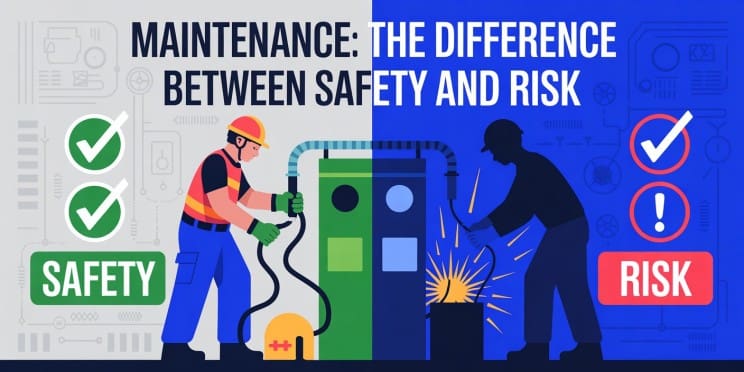
Even the best system fails if neglected. Facility managers should:
- Test monthly (30-second visual check) and annually (full 90-minute discharge test).
- Replace batteries every few years.
- Keep records for inspections.
- Train staff on emergency procedures.
Many building owners partner with Enhanced Electrical Services, providers that specialize in emergency lighting maintenance. These professionals can perform required testing of emergency lights, identify issues early, and handle replacements as needed—ensuring systems remain fully operational and code-compliant without burdening in-house staff.
A non-functional sign or light can turn a manageable situation into a tragedy.
Don’t wait for an inspection—or an emergency—to find out something isn’t working. Call (775) 830-2033 today and schedule a consultation.
Exit signs and emergency lighting may seem like small details in your building… until they become the most important systems you have.
They save time. They reduce chaos. They save lives.
At Enhanced Electrical, we’re committed to making sure your business is prepared, protected, and compliant—every single day.
📞 Schedule your consultation today: (775) 830-2033
Because when the lights go out… safety should never be in question.