Northern Nevada’s winters can put demands on your home's electrical system that aren't always obvious during the warmer months.
As temperatures drop across Reno, Sparks, and Northern Nevada, homeowners begin using more electricity for heating, lighting, holiday decorations, space heaters, appliances, and other equipment. At the same time, shorter days mean lights stay on longer and families tend to spend more time indoors.
For an electrical system that is already outdated, overloaded, or showing signs of trouble, winter can expose problems that have gone unnoticed for months.
A little preparation before the coldest weather arrives can help you identify potential electrical issues before they become bigger problems.
Here are seven areas worth checking as winter approaches.
Your electrical panel is the heart of your home's electrical system. It distributes power throughout the house and is designed to protect individual circuits when electrical demand becomes too high.
During winter, that demand can increase.
Portable heaters, electric heating systems, kitchen appliances, holiday lighting, home offices, entertainment systems, and other devices may all be operating simultaneously.
If you notice breakers frequently tripping, lights dimming when appliances turn on, unusual buzzing around the panel, or other changes in electrical performance, your system may need professional attention.
Older homes may also have electrical panels that were designed when households used far fewer electrical devices than they do today.
An electrician will evaluate your existing panel, electrical load, breakers, and overall system to determine whether improvements or upgrades should be considered.
Not sure whether your electrical system is ready for winter? Call (775) 830-2033 to schedule a consultation with Enhanced Electrical.
A circuit breaker that trips occasionally may simply be doing its job.
A breaker that repeatedly trips is telling you something.
The circuit may be overloaded, an appliance may be creating a problem, or there could be an issue somewhere within the circuit itself.
Winter will make this particularly noticeable because homeowners often plug in additional equipment.
One common example is a portable space heater. These devices can draw substantial electrical power and may overload a circuit when used alongside other appliances.
Repeatedly resetting a breaker without understanding why it is tripping isn't a good long-term solution.
If the same breaker continues to trip, have the circuit evaluated.
Portable space heaters can be useful during cold Northern Nevada mornings, but they also place considerable demand on electrical circuits.
Before using one, pay attention to the condition of the outlet.
An outlet that feels loose, looks discolored, produces unusual sounds, smells hot or burnt, or becomes noticeably warm should be evaluated.
Extension cords and power strips can also create problems when they are used for equipment they weren't designed to support.
The safest approach is to make sure the circuit and receptacle being used are appropriate for the electrical load.
If you're relying heavily on portable heaters because certain rooms never seem warm enough, it may also be worth having the electrical system in that area inspected.
Electrical problems aren't limited to the inside of your home.
Outdoor outlets, lighting, wiring, and electrical equipment are exposed to moisture, temperature changes, snow, ice, and other environmental conditions.
Before winter weather becomes more severe, walk around your property and look for obvious signs of damage.
Outdoor receptacles should have appropriate weather protection, and exterior electrical equipment should be in good condition.
GFCI protection is particularly important in locations where electricity and moisture may come into contact.
If an outdoor outlet doesn't work properly or appears damaged, have it checked before relying on it throughout the winter.
For residential electrical service in Reno, Sparks, and the surrounding area, call Enhanced Electrical at (775) 830-2033 to schedule a consultation.
One flickering light may be nothing more than a loose bulb.
Multiple lights flickering or dimming, particularly when a major appliance starts, can point to something more significant.
You may have a loose electrical connection, an overloaded circuit, or another issue affecting the electrical system.
Don't diagnose electrical problems based on symptoms alone. A licensed electrician can determine what's actually causing the behavior and recommend an appropriate solution.
Winter is a good time to address these problems because electrical demand may increase as temperatures fall.
Holiday lights can transform a home, but they also add another electrical load.
Before decorating, inspect strings of lights and extension cords for damage. Avoid using equipment with exposed wires, cracked insulation, damaged plugs, or other visible defects.
Use products designed for outdoor use when decorating outside, and be careful not to overload outlets or circuits.
If you're planning a substantial holiday display, it may be worth determining whether the circuits serving those outlets can safely handle the additional demand.
And if your holiday decorating strategy involves connecting extension cord after extension cord because you don't have outlets where you need them, consider installing properly located permanent outlets instead.
Electrical systems often provide clues before a larger problem develops.
Watch for:
These symptoms shouldn't simply be considered part of living in an older home.
They deserve investigation.
Many established neighborhoods throughout Reno and Sparks contain homes built decades ago.
The house itself may still be beautiful and functional, but the way we use electricity has changed dramatically.
Today's homes may contain multiple televisions, computers, smart devices, high-powered kitchen appliances, EV charging equipment, home offices, entertainment systems, electric heating equipment, and countless chargers and electronics.
An electrical system designed for another era may not always be ideal for today's demands.
That doesn't automatically mean a home needs a complete electrical overhaul. It does mean that an electrical evaluation can help identify potential weaknesses and determine whether upgrades make sense.
When Northern Nevada homeowners think about getting ready for winter, the furnace, roof, plumbing, and insulation usually receive most of the attention.
Your electrical system deserves a place on that list.
Taking care of small electrical issues before winter demand increases can help you enter the season with greater confidence in the system powering your home.
If something doesn't look, sound, smell, or behave normally, don't wait for the coldest night of the year to investigate it.
Enhanced Electrical provides residential electrical services for homeowners throughout the Reno and Sparks area.
Whether you're concerned about an electrical panel, circuit, outlet, lighting, or another electrical issue, having the system professionally evaluated can help you understand what needs attention and what doesn't.
Is your home electrically ready for a Reno winter?
Call (775) 830-2033 to schedule a consultation with Enhanced Electrical.
Your electrical panel is the backbone of your property’s power system. Whether you own a home or operate a commercial facility, an outdated or unsafe panel can lead to serious consequences, including fire hazards, equipment damage, downtime, and insurance complications.
At Enhanced Electrical, we specialize in residential and commercial electrical panel upgrades throughout Northern Nevada. If your property still has a fuse panel, Zinsco panel, or Federal Pacific panel, it may be time for a professional evaluation.
📞 Call (775) 830-2033 today to schedule your free consultation.
Older panels were not designed to handle today’s electrical loads. Between HVAC systems, commercial equipment, EV chargers, server rooms, kitchen equipment, and modern appliances, electrical demand has dramatically increased.
Here are three common high-risk panels we frequently replace:

Fuse panels were common in homes built before the 1960s. Instead of breakers, they use screw-in fuses that “blow” during an overload.
Here’s the problem:
Today’s homes require 100–200 amps or more to safely power appliances, HVAC systems, EV chargers, and smart devices. An overloaded fuse panel can cause overheating, arcing, and potentially fire.
At Enhanced Electrical, we are experts at upgrading outdated fuse panels to modern, safe breaker systems that meet current code requirements and handle today’s electrical demands.
Call (775) 830-2033 to schedule your free panel assessment.

Zinsco panels were widely installed in the 1970s and 1980s. While once considered innovative, they are now known for serious safety concerns.
Common issues include:
When breakers don’t trip properly, dangerous levels of current continue flowing through your wiring, which can lead to overheating and fire.
At Enhanced Electrical, we have upgraded numerous Zinsco panels in Reno and surrounding communities. We replace them with safer, reliable modern options such as:
These panels are designed to trip reliably, protect against arc faults, and support today’s energy usage.
If you suspect you have a Zinsco panel, call (775) 830-2033 today for a free consultation.

Federal Pacific (FPE) panels were installed in millions of homes from the 1950s through the 1980s. They are especially known for their “Stab-Lok” breakers.
The issue? Independent testing revealed that many Federal Pacific breakers fail to trip during overload conditions. That means:
Many insurance companies flag or refuse coverage on homes with Federal Pacific panels.
At Enhanced Electrical, we strongly recommend upgrading Federal Pacific panels to modern systems built for safety, reliability, and long-term performance.
Call (775) 830-2033 to schedule your free consultation and protect your home.
For business owners, outdated panels are not just inconvenient, they are a liability.
Panel upgrades help:
At Enhanced Electrical, we understand commercial load calculations, service upgrades, and coordinated power shutdown planning to minimize business disruption.
We don’t just replace panels, we design systems for performance and growth.
If you notice any of these signs, don’t wait! Call Enhanced Electrical at (775) 830-2033 to schedule your free consultation today.
When it comes to electrical panel upgrades, experience matters. Enhanced Electrical specializes in:
We provide professional assessments, transparent recommendations, and safe, efficient installation.
Your property deserves a modern electrical foundation!
Whether you own a home, manage rental properties, or operate a commercial facility, an outdated panel is not worth the risk.
Protect your property. Protect your investment. Protect your people.
Safe power starts with the right panel.
Jim Baffrey - CEO Enhanced Electrical
Welcome to our guide on keeping your home wired for safety! Electricity powers our daily lives, but it can also pose serious risks if not handled properly. According to the National Fire Protection Association (NFPA), between 2019 and 2023, electrical distribution or lighting equipment was involved in an average of 31,647 home structure fires each year, resulting in 425 civilian deaths, 1,279 injuries, and $1.6 billion in property damage. These tragedies are often preventable with simple checks and professional help. In this post, we'll cover key areas like smoke detectors, electrical panels, open junction boxes or splices, loose connections, and why hiring a licensed electrician is non-negotiable. Let's dive in and ensure your home stays a safe haven.
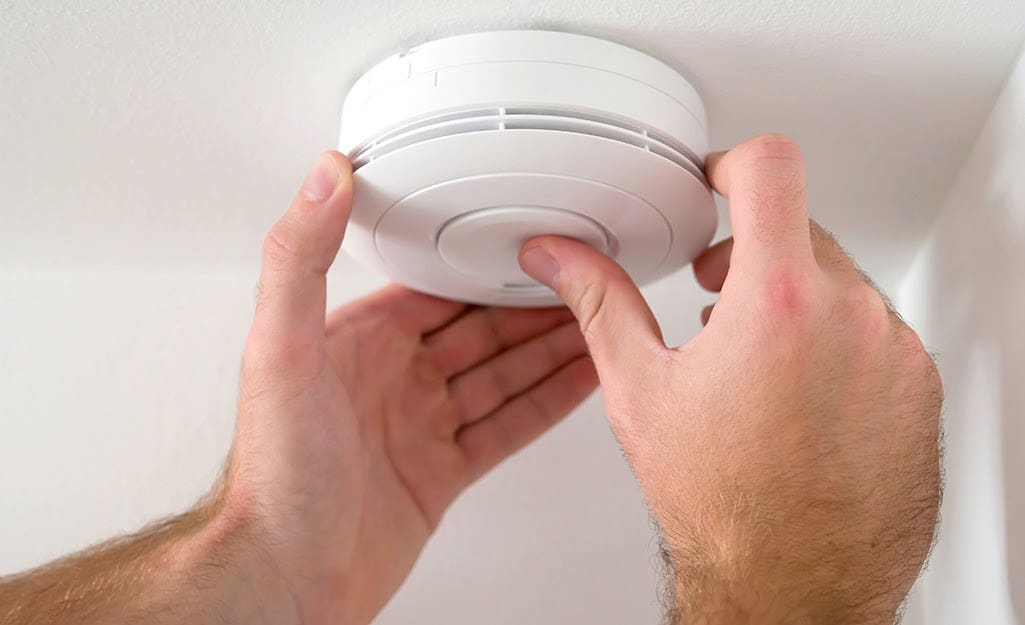
Smoke detectors are your first line of defense against electrical fires, which can spread rapidly while you're asleep. The U.S. Consumer Product Safety Commission (CPSC) stresses that fires are most dangerous at night, so alarms should cover all escape routes and be audible in every bedroom. Here's how to keep them working:
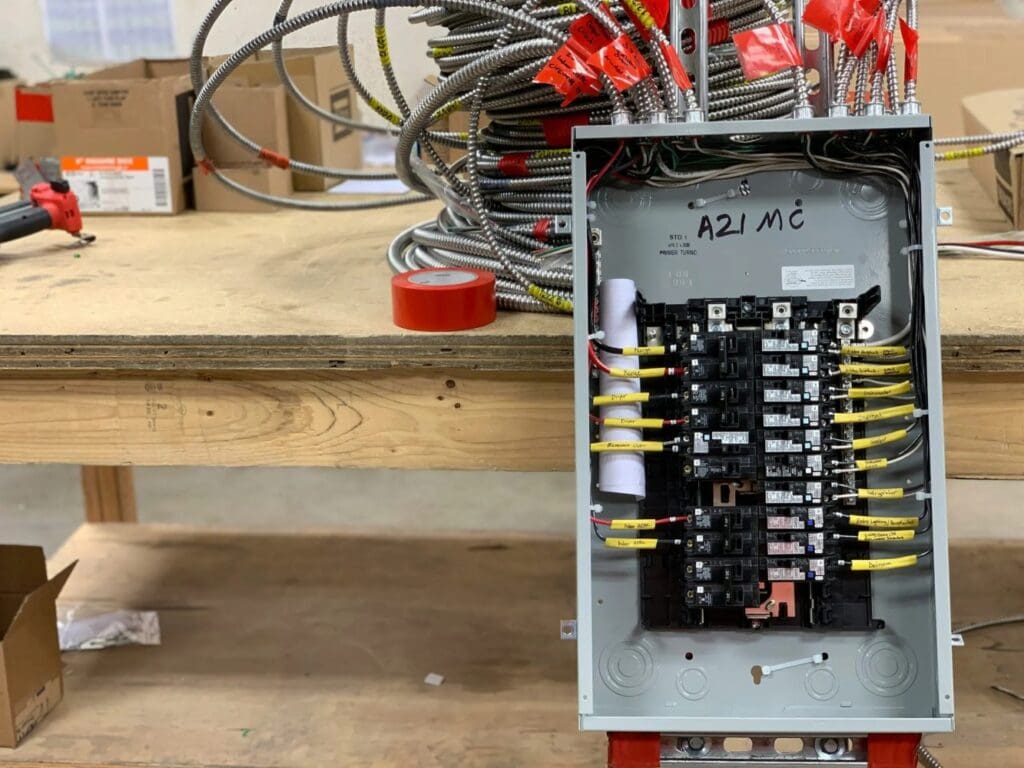
Your electrical panel (often called the breaker box) is the heart of your home's wiring system, distributing power safely when everything is in order. But tampering with it can lead to shocks, fires, or outages. The CPSC warns of signs like buzzing sounds, overheating, or frequent breaker trips, which indicate overloads or faulty components.
A peek inside a modern panel shows why professional setup matters.
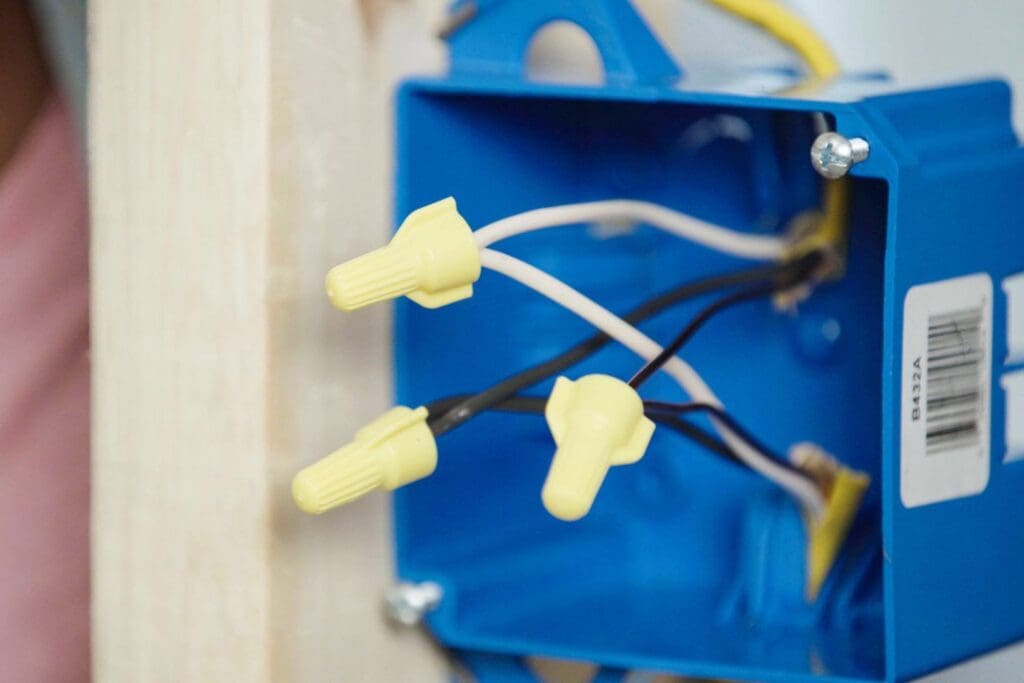
Exposed wire splices or uncovered junction boxes are like ticking time bombs— they invite dust, moisture, and accidental contact, leading to shorts or shocks. The CPSC highlights how weak or exposed splices in cords can spark destructive fires, and the same applies to home wiring. Homemade fixes? Big no-no.
See the difference a proper box makes:
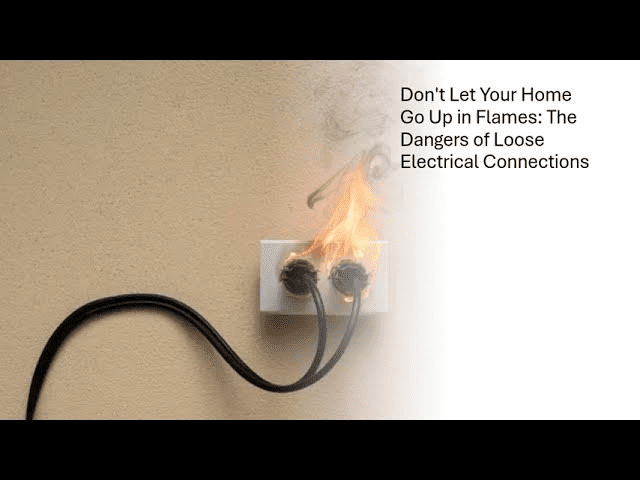
Loose wires might seem minor, but they create high resistance, causing overheating, arcing, and surges that can fry appliances or ignite fires. Mister Sparky experts note that these faults lead to thousands of incidents yearly, including shocks that cause burns or cardiac arrest. The CPSC adds that aluminum wiring or push-in connections often loosen over time, worsening the issue.
This image illustrates the fire risk all too clearly:
Electrical work isn't a weekend warrior project—it's governed by strict codes for a reason. Licensed electricians bring expertise to diagnose hidden issues, ensure compliance, and install safety devices like GFCIs (for shock protection in wet areas) and AFCIs. The CPSC and NFPA unanimously advise against DIY repairs, as improper fixes can void insurance or cause catastrophes.
Electrical safety isn't about fear—it's about proactive steps that protect what matters most: your family and home. Start with smoke detectors and a panel check, seal those junctions, tighten connections, and always lean on licensed pros. Small efforts today prevent big disasters tomorrow.
Jim Baffrey - EES Owner
Sources: Insights drawn from NFPA, CPSC, and industry experts for reliable, up-to-date advice.
As electric vehicles (EVs) continue to surge in popularity, homeowners are increasingly turning their garages into personal charging stations. However, with this convenience comes the need for heightened safety measures.
The National Electrical Code (NEC), which sets the standards for electrical installations in the US, has undergone significant updates to address the unique demands of EV charging. In this post, we'll explore the shift away from outdated practices like using range receptacles, the introduction of mandatory GFCI protection, the emerging requirement for EV-rated receptacles in the 2026 NEC, and the critical role of electrical load calculations in ensuring a safe setup. Whether you're a new EV owner or an electrician, understanding these changes can prevent hazards and keep your home powered efficiently.

Historically, many early EV adopters relied on NEMA 14-50 outlets—commonly known as range receptacles—for Level 2 charging. These 50-amp outlets, designed primarily for electric stoves or dryers, were a convenient plug-and-play option since they matched the voltage and amperage needs of many portable EV chargers. However, this approach has proven problematic over time.
The core issue lies in the design and rating of these receptacles. Unlike stoves, which operate intermittently, EV chargers often draw a continuous heavy load—up to 40 amps or more for hours on end. Standard range outlets aren't built for this sustained use or the frequent plugging and unplugging typical of daily EV charging. Over time, this can lead to loose connections, poor heat dissipation, and arcing at the contacts. Inferior materials in cheaper outlets exacerbate the problem, causing melting, charring, and in worst-case scenarios, fires.
Real-world incidents highlight the dangers. Numerous reports detail melted NEMA 14-50 outlets sparking garage fires, with damage ranging from scorched walls to near-total home losses. For instance, EV owners have shared stories of outlets failing dramatically after months of use, often due to non-industrial-grade components that can't handle the thermal stress. These failures aren't isolated; they've become a common topic in EV communities, prompting warnings from experts to opt for hardwired installations or high-quality, EV-rated outlets instead.
The lesson? What seemed like a simple solution in the early days of EVs has revealed itself as a ticking time bomb, pushing code updates to prioritize safety.

Recognizing these risks, the 2023 NEC introduced key changes in Article 625, which governs Electric Vehicle Power Transfer Systems. One of the most significant is Section 625.54, requiring Ground Fault Circuit Interrupter (GFCI) protection for all receptacles used in EV charging. This applies to cord-and-plug-connected Equipment (EVSE), ensuring that any ground faults—such as those caused by moisture, damaged cords, or faulty wiring—are detected and interrupted almost instantly, preventing shocks or fires.
Previously, GFCI was often recommended but not universally mandated for EV outlets. Now, it's required for both indoor (like garages) and outdoor installations, expanding on earlier codes that focused on wet locations. For hardwired chargers, GFCI is only necessary if specified by the manufacturer, but the code emphasizes dedicated circuits and overcurrent protection to match.
Looking ahead, the 2026 NEC builds on this by extending GFCI requirements to all outlets, including hardwired EVSE, further closing potential safety gaps. These updates reflect a broader trend: as EVs become mainstream, codes are evolving to treat charging infrastructure as a dedicated, high-demand system rather than a repurposed appliance outlet.

A major upcoming change in the 2026 NEC (published in late 2025) is found in Section 625.44 (Equipment Connection). This section now requires that all non-locking 30A, 50A, and 60A receptacles used for portable or hand-fastened cord-and-plug-connected EVSE must be specifically listed for EVSE (Electric Vehicle Supply Equipment) or WPTE (Wireless Power Transfer Equipment) use. This directly addresses the fire risks from generic range receptacles under continuous heavy loads.
Additionally, the 2026 NEC prohibits installing a 50A receptacle on a 40A branch circuit—a common practice that contributed to overheating issues.
While the 2026 NEC is now available and becomes effective in many jurisdictions starting in 2026 (with some delays or grace periods), adoption varies by state and locality. In Reno, Nevada (Washoe County), the 2023 NEC (with local amendments) is currently in effect, and full adoption of the 2026 edition is not yet required. That said, using an EV-rated receptacle (such as those from Hubbell or Leviton specifically marked for EV charging) is strongly recommended even under current codes due to the documented fire risks.
Before plugging in that new charger, one non-negotiable step is conducting a thorough electrical load calculation. This assesses whether your home's electrical panel and service can handle the additional demand without overloading circuits, which could lead to tripped breakers, overheating wires, or worse.
If your calculation shows you're over capacity, options include upgrading your panel, using a load-sharing device, or opting for a lower-amperage charger. Always have a licensed electrician perform this—it's not just code compliance; it's about safety.

The NEC's updates for EV charging underscore a simple truth: EVs are transforming how we power our lives, but safety can't be an afterthought. Moving beyond range receptacles, embracing GFCI protection (and soon EV-rated receptacles per 2026 NEC Section 625.44), and prioritizing load calculations are essential steps to mitigate risks like fires and overloads.
If you're planning an installation, consult a qualified electrician familiar with the latest codes—your home (and your EV) will thank you. Stay tuned for more on emerging tech like bidirectional charging, and drive safe!
Jim Baffrey - Enhanced Electrical Services Inc.
Office: (775) 830-2033 | Mobile: (775) 830-2123
Power outages in Northern Nevada aren’t just inconvenient — they can disrupt daily life, damage equipment, spoil food, and bring business operations to a halt. From seasonal storms to unexpected grid failures, outages are becoming more common, which is why more homeowners and businesses are turning to backup generators for peace of mind.
At Enhanced Electrical, based in Sparks, Nevada, we help customers stay powered, protected, and prepared.
The Benefits of a Backup Generator
A professionally installed generator ensures that when the power goes out, your lights — and your life — stay on. Key benefits include:
Whether it’s a short outage or an extended blackout, a generator keeps you in control.
Residential & Commercial Generator Solutions
Enhanced Electrical offers generator sales and professional installation for both residential and commercial properties. We help you choose the right generator based on your power needs, property size, and budget — then handle the installation safely, cleanly, and to code.
Our licensed and insured electricians manage the entire process, from load calculations and permitting to final testing and walkthroughs.
Buy Your Generator Locally in Sparks, Nevada
When you purchase a generator through Enhanced Electrical, you’re not just buying equipment — you’re gaining a trusted local partner. We stand behind our work and are here to support you long after installation.
Serving Sparks, Reno, and the surrounding Northern Nevada area, we’re proud to help our community stay prepared year-round.
Jim Baffrey - Owner EnhancedElectrical.net