Northern Nevada’s winters can put demands on your home's electrical system that aren't always obvious during the warmer months.
As temperatures drop across Reno, Sparks, and Northern Nevada, homeowners begin using more electricity for heating, lighting, holiday decorations, space heaters, appliances, and other equipment. At the same time, shorter days mean lights stay on longer and families tend to spend more time indoors.
For an electrical system that is already outdated, overloaded, or showing signs of trouble, winter can expose problems that have gone unnoticed for months.
A little preparation before the coldest weather arrives can help you identify potential electrical issues before they become bigger problems.
Here are seven areas worth checking as winter approaches.
Your electrical panel is the heart of your home's electrical system. It distributes power throughout the house and is designed to protect individual circuits when electrical demand becomes too high.
During winter, that demand can increase.
Portable heaters, electric heating systems, kitchen appliances, holiday lighting, home offices, entertainment systems, and other devices may all be operating simultaneously.
If you notice breakers frequently tripping, lights dimming when appliances turn on, unusual buzzing around the panel, or other changes in electrical performance, your system may need professional attention.
Older homes may also have electrical panels that were designed when households used far fewer electrical devices than they do today.
An electrician will evaluate your existing panel, electrical load, breakers, and overall system to determine whether improvements or upgrades should be considered.
Not sure whether your electrical system is ready for winter? Call (775) 830-2033 to schedule a consultation with Enhanced Electrical.
A circuit breaker that trips occasionally may simply be doing its job.
A breaker that repeatedly trips is telling you something.
The circuit may be overloaded, an appliance may be creating a problem, or there could be an issue somewhere within the circuit itself.
Winter will make this particularly noticeable because homeowners often plug in additional equipment.
One common example is a portable space heater. These devices can draw substantial electrical power and may overload a circuit when used alongside other appliances.
Repeatedly resetting a breaker without understanding why it is tripping isn't a good long-term solution.
If the same breaker continues to trip, have the circuit evaluated.
Portable space heaters can be useful during cold Northern Nevada mornings, but they also place considerable demand on electrical circuits.
Before using one, pay attention to the condition of the outlet.
An outlet that feels loose, looks discolored, produces unusual sounds, smells hot or burnt, or becomes noticeably warm should be evaluated.
Extension cords and power strips can also create problems when they are used for equipment they weren't designed to support.
The safest approach is to make sure the circuit and receptacle being used are appropriate for the electrical load.
If you're relying heavily on portable heaters because certain rooms never seem warm enough, it may also be worth having the electrical system in that area inspected.
Electrical problems aren't limited to the inside of your home.
Outdoor outlets, lighting, wiring, and electrical equipment are exposed to moisture, temperature changes, snow, ice, and other environmental conditions.
Before winter weather becomes more severe, walk around your property and look for obvious signs of damage.
Outdoor receptacles should have appropriate weather protection, and exterior electrical equipment should be in good condition.
GFCI protection is particularly important in locations where electricity and moisture may come into contact.
If an outdoor outlet doesn't work properly or appears damaged, have it checked before relying on it throughout the winter.
For residential electrical service in Reno, Sparks, and the surrounding area, call Enhanced Electrical at (775) 830-2033 to schedule a consultation.
One flickering light may be nothing more than a loose bulb.
Multiple lights flickering or dimming, particularly when a major appliance starts, can point to something more significant.
You may have a loose electrical connection, an overloaded circuit, or another issue affecting the electrical system.
Don't diagnose electrical problems based on symptoms alone. A licensed electrician can determine what's actually causing the behavior and recommend an appropriate solution.
Winter is a good time to address these problems because electrical demand may increase as temperatures fall.
Holiday lights can transform a home, but they also add another electrical load.
Before decorating, inspect strings of lights and extension cords for damage. Avoid using equipment with exposed wires, cracked insulation, damaged plugs, or other visible defects.
Use products designed for outdoor use when decorating outside, and be careful not to overload outlets or circuits.
If you're planning a substantial holiday display, it may be worth determining whether the circuits serving those outlets can safely handle the additional demand.
And if your holiday decorating strategy involves connecting extension cord after extension cord because you don't have outlets where you need them, consider installing properly located permanent outlets instead.
Electrical systems often provide clues before a larger problem develops.
Watch for:
These symptoms shouldn't simply be considered part of living in an older home.
They deserve investigation.
Many established neighborhoods throughout Reno and Sparks contain homes built decades ago.
The house itself may still be beautiful and functional, but the way we use electricity has changed dramatically.
Today's homes may contain multiple televisions, computers, smart devices, high-powered kitchen appliances, EV charging equipment, home offices, entertainment systems, electric heating equipment, and countless chargers and electronics.
An electrical system designed for another era may not always be ideal for today's demands.
That doesn't automatically mean a home needs a complete electrical overhaul. It does mean that an electrical evaluation can help identify potential weaknesses and determine whether upgrades make sense.
When Northern Nevada homeowners think about getting ready for winter, the furnace, roof, plumbing, and insulation usually receive most of the attention.
Your electrical system deserves a place on that list.
Taking care of small electrical issues before winter demand increases can help you enter the season with greater confidence in the system powering your home.
If something doesn't look, sound, smell, or behave normally, don't wait for the coldest night of the year to investigate it.
Enhanced Electrical provides residential electrical services for homeowners throughout the Reno and Sparks area.
Whether you're concerned about an electrical panel, circuit, outlet, lighting, or another electrical issue, having the system professionally evaluated can help you understand what needs attention and what doesn't.
Is your home electrically ready for a Reno winter?
Call (775) 830-2033 to schedule a consultation with Enhanced Electrical.
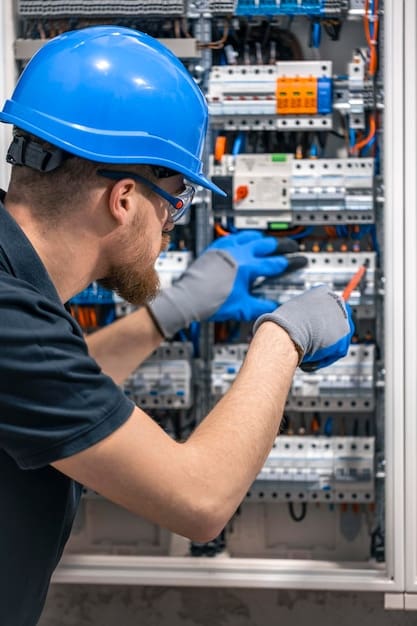
Commercial tenant improvements can completely transform a property. An empty shell can become a restaurant. An outdated office can become a modern professional workspace. A retail location can be redesigned for a new brand, and a warehouse can be adapted for an entirely different type of operation.
But behind the new walls, finishes, lighting, equipment and technology is something that can determine whether the entire project works as intended: The electrical system.
Electrical planning is one of the most important, and sometimes underestimated, parts of a commercial tenant improvement project.
For property owners, general contractors, developers and tenants throughout Reno, Sparks and Northern Nevada, involving an experienced commercial electrical contractor early will help identify potential electrical limitations, prevent costly changes during construction, improve safety and keep the project moving toward completion.
For many tenant improvement projects, Enhanced Electrical can take that involvement a step further through a design-build electrical approach. When Enhanced Electrical performs the electrical work, our team also provides the electrical consultation, required electrical calculations and electrical drawings for permit submission, potentially eliminating the need to hire a separate electrical engineer and reducing overall project costs.
If you're planning a commercial tenant improvement or remodel in the Reno-Sparks area, involving Enhanced Electrical early can help you determine the most efficient path from electrical planning and design through permitting and installation.
Schedule a consultation by calling (775) 830-2033 or visiting EnhancedElectrical.net.
A commercial tenant improvement, often referred to as a TI or tenant build-out, is the modification of an existing commercial space to accommodate the requirements of a new or existing tenant.
Tenant improvements can range from relatively straightforward changes to major renovations.
Projects may include:
Every change can affect the electrical requirements of the property. That's why electrical planning shouldn't begin after construction has already started.
It should be part of the project from the beginning.
Before designing the electrical requirements for a tenant improvement, you first need to understand what is already there. An existing commercial building may have been designed decades ago for an entirely different type of tenant.
The first question isn't simply: “What does the new tenant need?”
It's also: “Can the existing electrical system support it?”
A commercial electrical assessment may evaluate:
This becomes particularly important when changing how a commercial property will be used.
An office, for example, may have relatively modest electrical requirements compared with a restaurant filled with refrigeration, cooking and ventilation equipment. Likewise, converting warehouse space into a manufacturing operation may introduce significant new electrical loads.
Discovering those limitations before construction begins is far better than discovering them after walls, ceilings and finishes have already been installed.

Modern businesses use more electricity than ever.
Computers, servers, commercial appliances, HVAC systems, specialized equipment, security systems, displays, chargers and automation technologies can dramatically increase electrical demand.
During a tenant improvement, the electrical contractor needs to understand both the tenant's current requirements and reasonable future needs. Depending on the business, those electrical loads can vary considerably.
Office spaces may require power for computer workstations, conference-room technology, servers, networking equipment, break-room appliances, charging stations, security systems and HVAC equipment.
Retail spaces may need electrical capacity for point-of-sale systems, display lighting, exterior signage, refrigeration, security systems, digital displays and specialty equipment.
Restaurants and food-service businesses can introduce significant loads from refrigerators, freezers, ovens, dishwashers, food-preparation equipment, exhaust and ventilation systems, lighting, point-of-sale systems and HVAC equipment.
Warehouses and industrial facilities may require electrical systems supporting machinery, conveyor systems, welders, compressors, production equipment, high-bay lighting, specialized controls, three-phase equipment and charging systems.
Understanding these requirements early allows the electrical design to be properly coordinated with the rest of the project.
This is an area where the right commercial electrical contractor can potentially simplify the project considerably.
In a traditional construction process, a separate electrical engineer may be hired to develop the electrical design, perform electrical calculations and prepare drawings before the electrical contractor begins installation.
For qualifying projects, Enhanced Electrical can manage both the electrical design and installation, creating a more streamlined design-build process from planning through completion. That includes:
The advantage is integration.
The electrical contractor evaluating the existing infrastructure and designing the electrical solution is also the contractor responsible for building it. This helps reduce handoffs between separate parties, improve communication and constructability, simplify project coordination and potentially reduce overall design costs.
In some situations, it may also eliminate the need to hire a separate electrical engineer for the electrical work being performed by Enhanced Electrical, creating meaningful savings for the customer.
There is an important limitation: as an electrical contractor, Enhanced Electrical can only provide electrical design services for electrical work that we self-perform. Projects requiring engineering services beyond that scope may still require a licensed electrical engineer or other design professional.
For the right commercial tenant improvement, however, a design-build approach can provide a much more efficient path from concept to permit to construction.
One of the most important components of any commercial tenant improvement is the electrical panel.
Older commercial properties may have panels that were perfectly adequate for the building's original use but aren't designed to support today's electrical demand.
Potential warning signs include limited available breaker spaces, frequently tripping breakers, outdated electrical equipment, insufficient service capacity, evidence of overheating, corrosion, aging components or numerous previous modifications.
A commercial panel or service upgrade may be necessary when the new tenant introduces significantly greater electrical demand.
Planning this early matters, as discovering halfway through a project that the electrical service or panel requires an upgrade can affect both the project budget and construction schedule.
One of the most common frustrations in newly remodeled commercial spaces is discovering that outlets aren't located where they're actually needed.
Electrical planning should follow the operational layout of the business.
Consider questions such as:
A few strategically planned circuits during construction can be far less expensive and disruptive than modifying a completed space later.
Commercial tenant improvements can involve general contractors, electricians, HVAC contractors, plumbers, framers, drywall contractors, architects, engineers, low-voltage contractors, security companies, equipment vendors and interior designers.
Electrical work interacts with nearly all of them.
For example, an electrical contractor may need to coordinate HVAC power requirements with the mechanical contractor. Lighting placement may need to be coordinated with ceiling systems and interior design. Commercial equipment may require manufacturer specifications before electrical circuits can be properly designed.
Early coordination will help reduce conflicts, change orders and unnecessary delays.
This is another potential advantage of a design-build electrical approach: electrical design and field execution are closely connected rather than being treated as separate processes.
For general contractors, having an experienced Reno commercial electrical contractor like EES involved early will make project coordination significantly easier.
Lighting has a major impact on how a commercial space looks, feels and functions.
A tenant improvement is an excellent opportunity to rethink the lighting design rather than simply replacing existing fixtures.
Modern commercial LED lighting can provide several advantages, including:
The right solution depends heavily on the type of property.
A retail store may need accent and display lighting. An office may prioritize comfortable, consistent illumination. A warehouse may benefit from high-efficiency LED high-bay fixtures, while a restaurant may require multiple lighting zones to create different environments throughout the space.
The goal shouldn't simply be to light the space.
Lighting should be designed around how people will actually use it.
Today's commercial spaces depend heavily on technology.
Tenant improvement planning may need to accommodate Wi-Fi access points, data cabling, telecommunications, security cameras, access-control systems, audio/video systems, point-of-sale equipment, building automation and digital displays.
While many of these systems use low-voltage infrastructure, they still need to be coordinated with electrical power and the overall construction plan.
Planning these requirements before walls and ceilings are closed can make installation cleaner, easier and more cost-effective.
Emergency lighting and illuminated exit signs are critical components of commercial building safety.
During a remodel, walls, doors, hallways and occupancy patterns may change. That means the existing emergency-lighting layout may no longer be appropriate for the renovated space.
Tenant improvement planning should evaluate whether emergency and exit lighting needs to be relocated, expanded or upgraded as part of the project.
These systems may not be the most visible part of a commercial remodel, but they can become some of the most important during an emergency.
A tenant improvement provides an excellent opportunity to improve energy efficiency because electrical systems are already being modified.
Potential improvements may include:
Rather than viewing electrical improvements solely as a construction expense, property owners can consider how today's upgrades may affect operating costs, reliability and the long-term usefulness of the property.
Commercial properties evolve. Tenants expand. Technology changes. Equipment gets replaced. Businesses add new services.
A well-designed electrical system should consider reasonable future requirements.
Future-proofing doesn't necessarily mean installing everything today.
It means making smart decisions during construction that can make tomorrow's changes easier.
Commercial electrical work must meet applicable electrical and building requirements. Depending on the scope of the project, electrical work may require plans, permits and inspections.
Requirements can vary according to the scope of work, property type, occupancy, electrical loads, equipment being installed, service changes and local jurisdiction.
This is another reason to involve a qualified commercial electrical contractor early.
For qualifying projects where Enhanced Electrical will self-perform the electrical installation, our design-build capabilities can include electrical calculations and preparation of electrical drawings for permit submission.
This can help create continuity between the electrical design submitted for the project and the work ultimately performed in the field.
Electrical costs can represent a meaningful portion of a commercial build-out.
Waiting until late in the design process to determine electrical requirements can create unpleasant budget surprises.
A better approach is to identify major electrical requirements during initial project planning.
Potential cost factors include service upgrades, electrical panels, new circuits, rewiring, lighting, equipment connections, emergency systems, controls, data infrastructure, specialty equipment and permit requirements.
An early electrical assessment can help property owners and contractors understand the likely scope before major construction decisions are finalized.
And when a design-build approach is appropriate, combining electrical design and installation under one contractor may provide another opportunity to simplify the project and reduce costs.
Not every tenant improvement takes place in an empty building.
Sometimes remodeling occurs while businesses remain operational. In those situations, electrical planning becomes even more important.
Electrical contractors may need to coordinate temporary power interruptions, scheduled shutdowns, work around operating hours, phased construction, equipment transitions and safety barriers.
The objective is to complete the required work while minimizing unnecessary disruption to employees, customers and business operations.
Enhanced Electrical understands that downtime can directly affect a company's bottom line and works with commercial clients to coordinate electrical projects around operational requirements.
Before construction begins, property owners and contractors should consider:
1. Existing electrical system
Is the current electrical infrastructure in good condition?
2. Available capacity
Can the electrical service and panels support the new tenant?
3. Electrical design
Can a design-build approach simplify the project and reduce the need for separate electrical design services?
4. Equipment
What specialized equipment will require power?
5. Dedicated circuits
Which systems require their own circuits?
6. Outlet locations
Do receptacles match the actual layout and workflow?
7. Lighting
Does the new design require different fixtures, controls or lighting zones?
8. Emergency systems
Do exit signs or emergency lights need to be relocated or added?
9. Technology
Have data, security and communication systems been coordinated?
10. Energy efficiency
Are there opportunities to improve lighting or electrical efficiency?
11. Future expansion
Can the electrical design accommodate reasonable future growth?
12. Permits and inspections
What local requirements apply to the project?
13. Construction coordination
Have electrical requirements been coordinated with the general contractor and other trades?
Addressing these questions early can help create a smoother, more predictable tenant improvement process.
Commercial tenant improvements require more than simply installing outlets and fixtures.
They require understanding the building, electrical loads, tenant operations, construction schedule, permitting requirements and long-term goals for the property.
Since 2012, Enhanced Electrical has provided commercial electrical services for property owners, businesses and contractors throughout Reno, Sparks and Northern Nevada, including tenant improvements and remodels.
For qualifying projects, Enhanced Electrical can provide an integrated design-build electrical solution, from consultation and electrical calculations to permit drawings and installation.
Because Enhanced Electrical designs the electrical systems it will self-perform, customers may be able to avoid hiring a separate electrical engineer for that portion of the project, potentially reducing costs while simplifying coordination.
Services include:
With a locally based team serving Northern Nevada, Enhanced Electrical understands the importance of completing commercial projects safely, efficiently and with minimal disruption.
The electrical system is the infrastructure that makes virtually everything else inside a modern commercial space work.
Planning it correctly from the beginning can help prevent delays, avoid unexpected modifications and create a commercial space that is safe, functional and prepared for the future.
And with the right project, design-build electrical can make the process even more efficient, bringing electrical planning, calculations, permit drawings and installation together under one electrical contractor.
Whether you're a commercial property owner, general contractor, developer, property manager or business owner, involve your electrical contractor early.
A short conversation before construction begins could prevent much larger, and more expensive, problems later.
Planning a tenant improvement, commercial remodel or build-out in Reno, Sparks or Northern Nevada?
Let Enhanced Electrical evaluate your project's electrical requirements and determine whether a design-build approach could simplify the project and reduce costs.
Call them today at (775) 830-2033 or visit EnhancedElectrical.net to schedule a consultation.
Plan it right. Design it right. Build it right. Power it right.
Apr 14, 2026
Gas prices in Reno have jumped significantly lately, largely due to ongoing global tensions and the conflict with Iran. Many drivers across Northern Nevada are now paying over $5 a gallon for regular unleaded—and diesel is even higher. That kind of impact at the pump adds up quickly and makes you think twice every time you fill up your tank.
For many Reno and Sparks drivers, this isn’t just a temporary inconvenience—it’s a wake-up call. More people are starting to look for smarter, more cost-effective ways to get around, and that’s where electric vehicles (EVs) come in.
At the same time, all the buzz around autonomous driving features and advanced vehicle technology has people excited. Cars that can assist with highway driving, optimize efficiency, and integrate seamlessly into modern lifestyles? It’s not just impressive—it’s practical. And it’s making EVs feel like the obvious choice for the future.
If you’re in Reno or Sparks and thinking about making the switch—or you already own an EV—one of the best things you can do is install a Level 2 home EV charger.
👉 If you’re ready to explore your options, call Enhanced Electrical Services Inc. at (775) 830-2033 for a FREE consultation today.
We’ve been the go-to licensed electricians for homes in the Reno area since 2012. And when it comes to EV charger installation, this is not something you want to handle yourself or leave to an unlicensed contractor. In Nevada, this isn’t a weekend DIY project—it needs to be done safely, correctly, and up to code.
With everything happening globally, fuel prices here in Northern Nevada have climbed fast. Many local drivers are feeling the squeeze and are tired of riding that rollercoaster.
Electric vehicles offer a way out.
Instead of being tied to unpredictable gas prices, EV owners can charge their vehicles at home—often at a fraction of the cost. Over time, the savings can be significant, especially when fuel prices spike like they have recently.
But the benefits go beyond cost savings. EVs also offer:
For many homeowners in Reno, the decision to switch to an EV is becoming less about “if” and more about “when.”
Once you own an EV, how you charge it becomes just as important as the vehicle itself.
Public charging stations are an option—but they can be inconvenient, expensive, and sometimes crowded. That’s why most EV owners eventually install a Level 2 charger at home.
A 240-volt Level 2 charger typically adds 25 to 60 miles of range per hour. That means most EVs can fully charge overnight while you sleep.
No more:
Instead, you simply plug in at night and wake up ready to go.
Want to install a Level 2 EV charger at your Reno home? Call (775) 830-2033 to schedule your free consultation with Enhanced Electrical!
Here’s where a lot of homeowners make a critical mistake.
Installing an EV charger might seem straightforward—but it’s not something you should try to do yourself or hand off to an unlicensed contractor.
In Nevada, this is not a weekend DIY project. EV chargers require serious electrical work, and it needs to be done correctly the first time.
Most EV chargers draw 30 to 50 amps on a dedicated circuit. That’s a significant electrical load, and if it’s installed improperly, you could run into major issues like:
This is why working with a licensed electrician in Reno is essential.
When it comes to EV charger installation, cutting corners can cost you far more in the long run. A licensed electrical contractor ensures that your installation is safe, compliant, and built to last.
Only a licensed electrician can:
At Enhanced Electrical Services Inc., we handle all of this for you. We’ve been serving Reno-area homeowners since 2012, and EV charger installation is something we do regularly. Our team knows exactly what it takes to get the job done safely and efficiently.
Hiring unlicensed help might seem cheaper upfront, but it can:
Don’t take the risk—call (775) 830-2033 today to speak with a licensed Reno electrician about your EV charger installation.
Before we install any EV charger, we always start with a full electrical load calculation—and this step is critical.
Your home’s electrical panel has a limited capacity. If you add a high-demand device like an EV charger without properly evaluating that capacity, you could overload your system.
During a load calculation, we look at everything your home is already using, including:
We then determine how much available capacity remains in your panel—whether it’s 100, 150, or 200 amps—and calculate whether it can safely support the EV charger.
Many homes in Reno, especially older ones, are already close to max capacity.
The load calculation tells us one of three things:
It’s always better to know upfront than to deal with electrical problems later.
Schedule your professional load calculation today by calling (775) 830-2033. It’s the first step to safely installing your EV charger.
Another common question we hear is: How much does it cost to install an EV charger?
For most homes in Reno and Sparks, professional installation starts at around $600, not including the charger itself.
However, the final price can vary depending on:
At Enhanced Electrical Services Inc., we believe in transparency. After completing your load calculation, we provide a clear, upfront quote—so there are no surprises.

No matter which EV you drive, we can install the right charger for your home.
We regularly work with:
Our goal is to ensure your system is installed cleanly, safely, and in the most convenient location for your daily routine.
Between rising gas prices and rapid advancements in EV technology, there’s never been a better time to make the switch. Northern Nevada drivers are realizing that EV ownership isn’t just about the future—it’s about making smarter decisions today.
By installing a home EV charger now, you can:
And most importantly—you’ll avoid the headaches that come from cutting corners on installation.
With gas prices still feeling the effects of global conflict and EV technology becoming more appealing every day, now is the perfect time to make your move.
Just make sure you do the electrical side the right way.
At Enhanced Electrical Services Inc., we’re proud to be Reno’s trusted choice for safe, professional EV charger installation. We’re local, fully licensed, and experienced with homes across Reno, Sparks, and Northern Nevada.
Call us today at (775) 830-2033 for your FREE consultation Or visit EnhancedElectrical.net to get started
Make sure it’s done safely, correctly, and up to code—so you can enjoy all the benefits of EV ownership without the stress.
Call (775) 830-2033 today and let Enhanced Electrical Services Inc. help you take the next step. ⚡🚗
If your bathroom or kitchen exhaust fan is rattling, humming loudly, or barely moving air, it’s trying to tell you something—and most Reno/Sparks homeowners ignore the warning signs for far too long.
Outdated exhaust fans are one of the most overlooked home maintenance issues in Reno, Sparks, and across Northern Nevada. Yet they play a critical role in controlling moisture, preventing mold, improving indoor air quality, and protecting your home from long-term structural damage.
At Enhanced Electrical Services, our licensed electricians have helped hundreds of local homeowners upgrade aging, inefficient fans with modern, high-performance systems designed for today’s homes.
Not sure if yours needs to be replaced? Call (775) 830-2033 for a free consultation—we’ll give you a clear, honest assessment.
Reno’s climate creates a unique challenge. While the region is known for its dry air, modern homes are built tighter and more energy-efficient than ever before. That means moisture from showers, cooking, and daily living doesn’t escape as easily as it used to.
Without proper ventilation, that trapped moisture can lead to:
Even in Northern Nevada’s dry environment, poor ventilation can quietly cause thousands of dollars in damage over time.
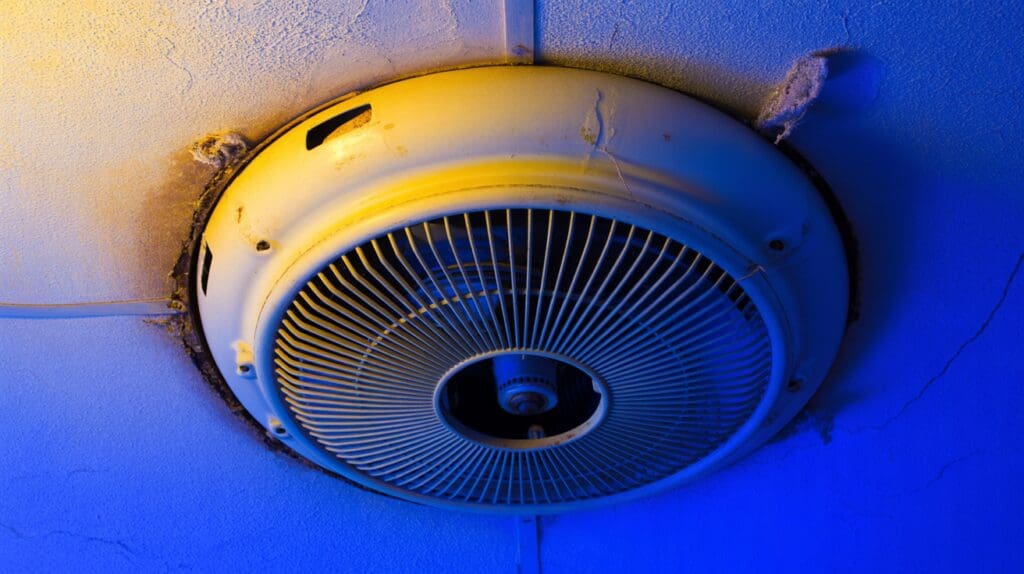
Most homes built before 2010 still rely on outdated, single-function exhaust fans. While they may still “turn on,” that doesn’t mean they’re doing their job effectively.
Common issues include:
If your exhaust fan is 10–15 years old or older, it’s very likely operating far below today’s standards.
👉 Pro tip: If you hold a piece of toilet paper up to the fan and it doesn’t stick, your airflow is insufficient.
Think your fan might be failing? Call Enhanced Electrical Services at (775) 830-2033 to schedule your free in-home assessment.
Not sure if your fan needs replacing? Here are the most common warning signs Reno homeowners should watch for:
If you’re experiencing even one or two of these issues, it’s worth having a professional take a look.
Today’s exhaust fans are no longer just functional—they’re a meaningful upgrade to your comfort, efficiency, and daily routine.
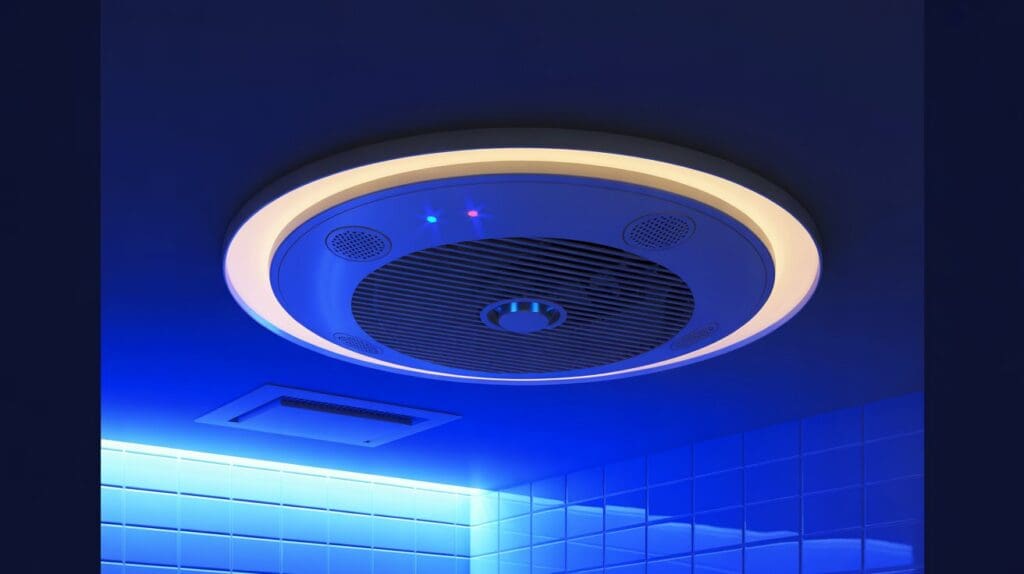
Modern units often include bright, energy-efficient LED lighting, eliminating the need for separate fixtures and improving visibility in your space.
Enjoy music, podcasts, or news while getting ready. It’s a small luxury that many Reno homeowners quickly come to love.
Cold winter mornings in Reno are no joke. Built-in heaters provide instant warmth without cranking up your entire HVAC system.
Smart fans automatically turn on when moisture levels rise and shut off when the air clears—improving efficiency and preventing mold without any effort on your part.
Many high-quality fans operate below 1.0 sones, making them virtually silent compared to older units.
Not sure which features are right for your home? Call (775) 830-2033 and we’ll help you choose the perfect solution.
Upgrading your exhaust fan isn’t just about comfort—it can also reduce energy costs over time.
Modern fans:
For Reno homeowners focused on energy efficiency and sustainability, this is one of the simplest upgrades with immediate benefits.
One of the biggest misconceptions is that replacing an exhaust fan requires a major renovation. In reality, modern systems are designed for fast, minimally invasive installation.
In many cases:
Whether you’re upgrading a single bathroom fan or improving ventilation throughout your home, the process is typically quick and hassle-free.
For most Reno-area homes, a professional exhaust fan replacement typically ranges between $400 and $600.
This includes:
Premium models with advanced features (lighting, heaters, Bluetooth, humidity sensors) may increase the cost depending on the unit and any electrical modifications required.
Call Enhanced Electrical Services at (775) 830-2033 for a free, no-obligation estimate with upfront pricing.
While DIY installation may seem tempting, improper installation can lead to:
Hiring a licensed electrician ensures:
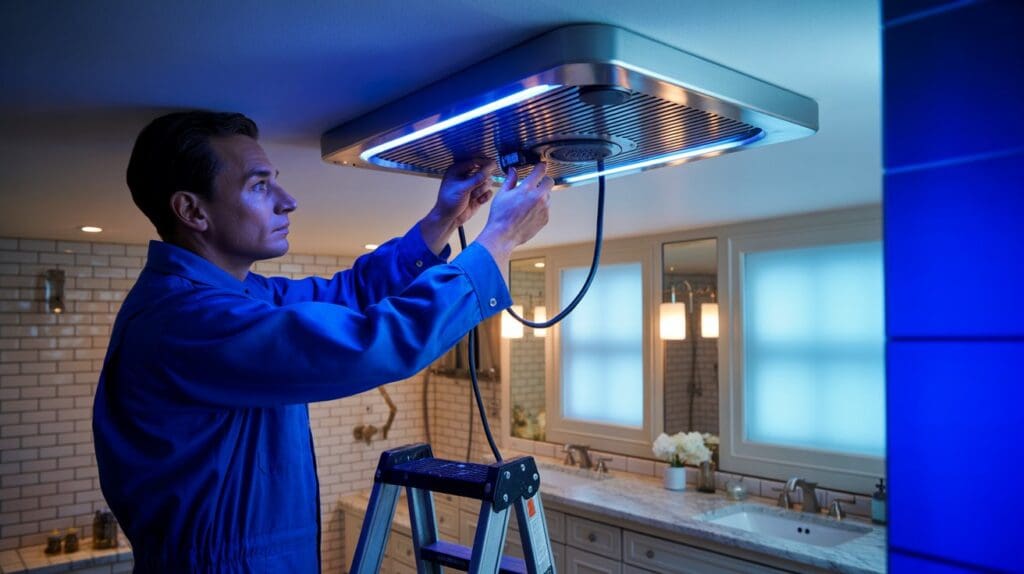
Since 2012, Enhanced Electrical Services has built a reputation as one of Northern Nevada’s most trusted electrical contractors.
We’ve completed hundreds of exhaust fan replacements across:
What sets us apart:
With 69 five-star Google reviews, our customers consistently trust us for quality work and dependable service.
We proudly serve homeowners throughout Northern Nevada, including:
If you’re nearby, chances are we’ve already helped a neighbor upgrade their home.
Don’t let an outdated exhaust fan compromise your home’s air quality, comfort, or efficiency.
Upgrading is faster, more affordable, and more impactful than most homeowners expect—and the benefits start immediately.
📞 Call Enhanced Electrical Services at (775) 830-2033 💻 Or fill out our quick online form to schedule your free consultation today
Jim Baffrey - Owner - Enhanced Electrical Services — Licensed, Insured & Trusted Since 2012
In the world of home electrical safety, the National Electrical Code (NEC) sets the benchmark for how our homes are wired. Updated every three years by the National Fire Protection Association (NFPA), the NEC exists to minimize risks such as electrical fires, shocks, and household accidents.
At Enhanced Electrical Services, we stay current with every code update to ensure your home remains both safe and compliant.
One area that has seen significant change is the requirements for receptacles (outlets) on kitchen islands and peninsulas. These features are now central hubs in modern kitchens — used for meal prep, dining, entertaining, and powering appliances. With cords and plugs in constant use, safety is critical.
The 2023 NEC introduced major updates to Section 210.52(C), shifting from mandatory outlet requirements based on countertop size to a more flexible approach with strict placement rules. These changes address real-world hazards, including dangling cords that can be pulled by children or pets, while still allowing homeowners design flexibility.
In this article, I’ll walk you through what changed, why it matters, and why pop-up receptacles are becoming a preferred solution.
Under earlier versions of the NEC (such as the 2020 edition):
While common, this setup created safety concerns. Cords hanging over edges could be pulled, causing appliances to fall and potentially injure someone or start a fire. These hazards prompted the NEC to rethink safer installation standards.
The 2023 NEC overhauled Section 210.52(C)(2) and (3) with three key updates:
Because local jurisdictions adopt codes at different times, it’s always best to confirm compliance requirements with a licensed electrician.
Call us to ensure you're in compliance: (775) 830-2033

With below-counter outlets no longer permitted, pop-up receptacles have become a popular and code-compliant solution.
These units are installed directly into the countertop and remain flush when not in use. When needed, they rise to provide power — then retract neatly out of sight.
Benefits include:
If you’re remodeling, pop-ups should be planned early, as installation requires a countertop cut-out and proper wiring beneath.
Call us with questions: (775) 830-2033
If you’re considering adding pop-up outlets:
Improper installation can lead to failed inspections, safety risks, and costly corrections.

The 2023 NEC updates reflect a broader trend toward safer, smarter kitchen design. By removing hazardous outlet placements while allowing flexibility, the code adapts to modern living.
Pop-up receptacles offer an elegant and compliant solution for today’s kitchen islands and peninsulas.
If you're building, remodeling, or simply want to ensure your home is up to code, Enhanced Electrical Services is here to help. Our licensed professionals stay up to date on all NEC changes and provide safe, high-quality installations.
Your home’s safety — and your peace of mind — matter.
Jim Baffrey - Founder & CEO - EnhancedElectrical.net