Welcome to our guide on keeping your home wired for safety! Electricity powers our daily lives, but it can also pose serious risks if not handled properly. According to the National Fire Protection Association (NFPA), between 2019 and 2023, electrical distribution or lighting equipment was involved in an average of 31,647 home structure fires each year, resulting in 425 civilian deaths, 1,279 injuries, and $1.6 billion in property damage. These tragedies are often preventable with simple checks and professional help. In this post, we'll cover key areas like smoke detectors, electrical panels, open junction boxes or splices, loose connections, and why hiring a licensed electrician is non-negotiable. Let's dive in and ensure your home stays a safe haven.
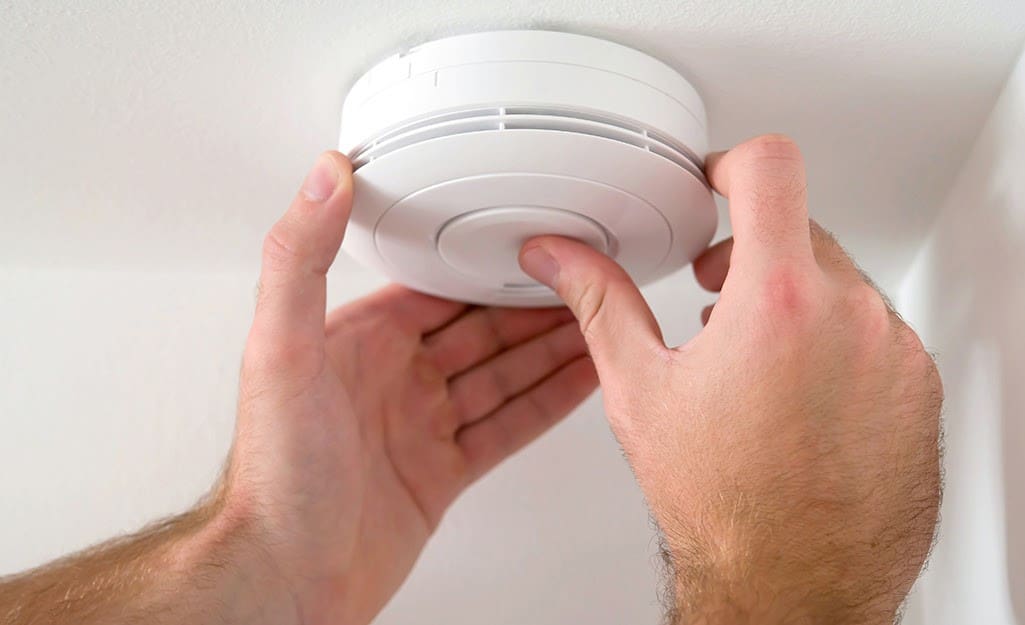
Smoke detectors are your first line of defense against electrical fires, which can spread rapidly while you're asleep. The U.S. Consumer Product Safety Commission (CPSC) stresses that fires are most dangerous at night, so alarms should cover all escape routes and be audible in every bedroom. Here's how to keep them working:
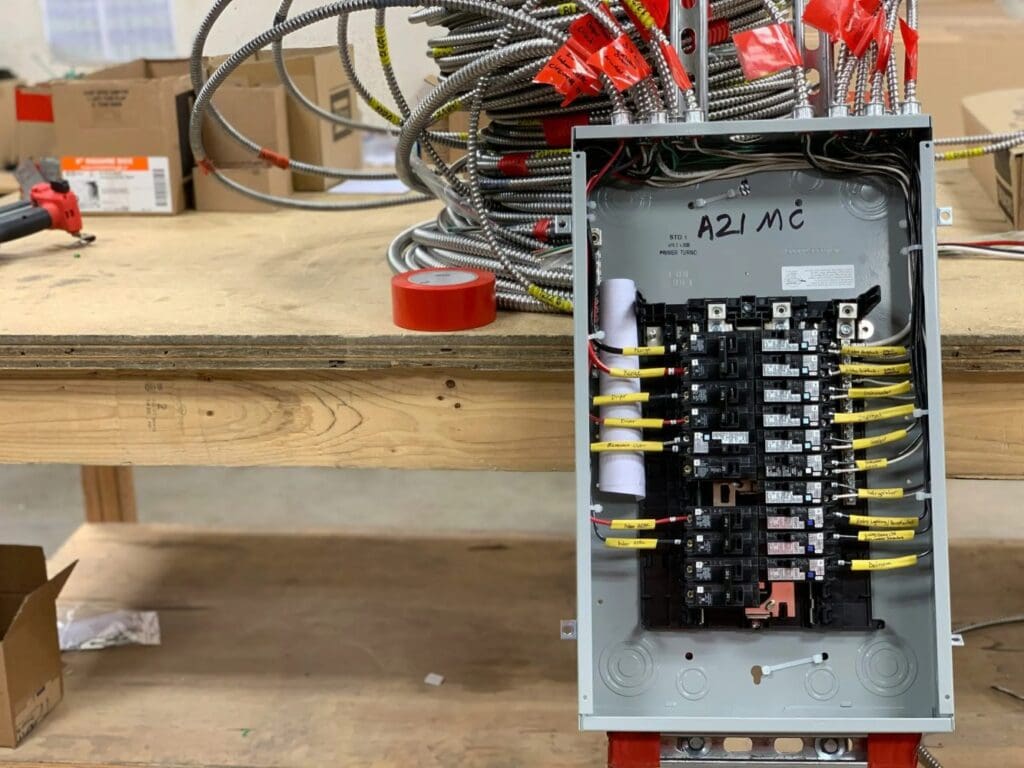
Your electrical panel (often called the breaker box) is the heart of your home's wiring system, distributing power safely when everything is in order. But tampering with it can lead to shocks, fires, or outages. The CPSC warns of signs like buzzing sounds, overheating, or frequent breaker trips, which indicate overloads or faulty components.
A peek inside a modern panel shows why professional setup matters.
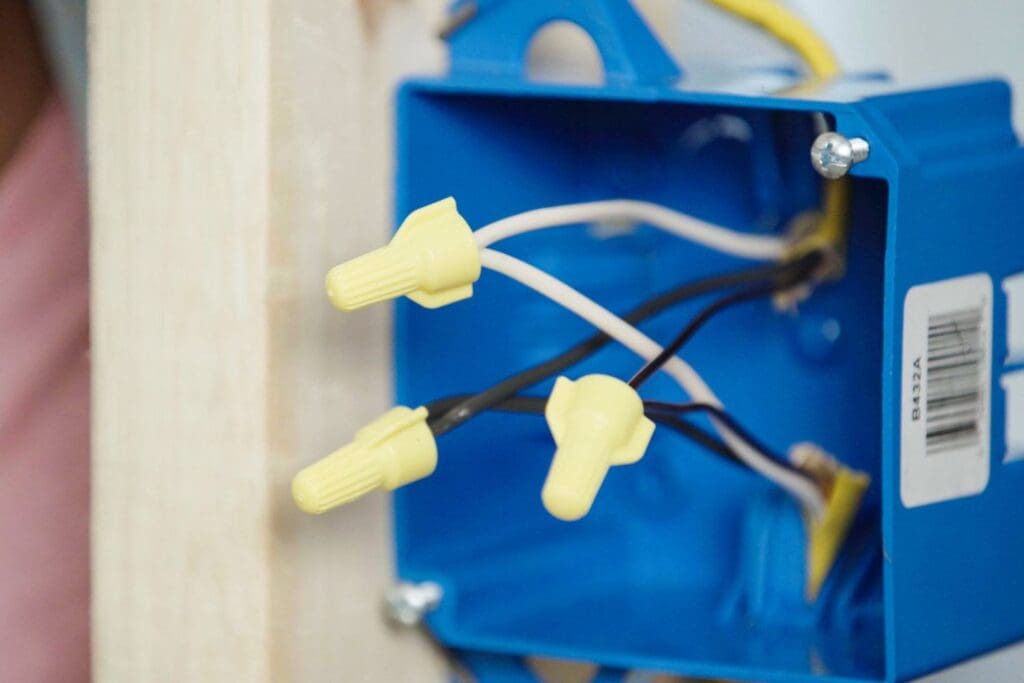
Exposed wire splices or uncovered junction boxes are like ticking time bombs— they invite dust, moisture, and accidental contact, leading to shorts or shocks. The CPSC highlights how weak or exposed splices in cords can spark destructive fires, and the same applies to home wiring. Homemade fixes? Big no-no.
See the difference a proper box makes:
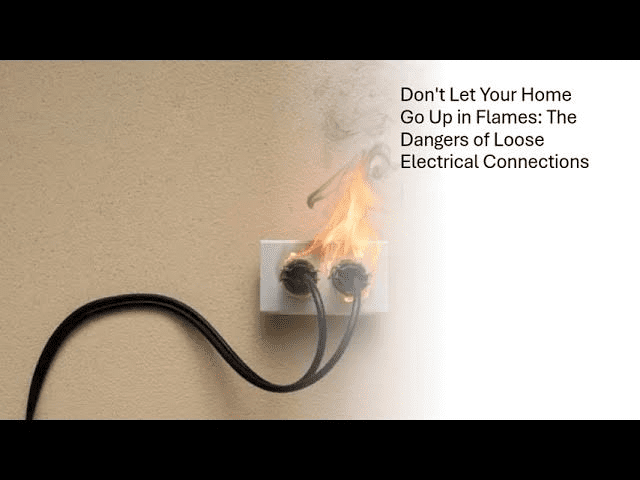
Loose wires might seem minor, but they create high resistance, causing overheating, arcing, and surges that can fry appliances or ignite fires. Mister Sparky experts note that these faults lead to thousands of incidents yearly, including shocks that cause burns or cardiac arrest. The CPSC adds that aluminum wiring or push-in connections often loosen over time, worsening the issue.
This image illustrates the fire risk all too clearly:
Electrical work isn't a weekend warrior project—it's governed by strict codes for a reason. Licensed electricians bring expertise to diagnose hidden issues, ensure compliance, and install safety devices like GFCIs (for shock protection in wet areas) and AFCIs. The CPSC and NFPA unanimously advise against DIY repairs, as improper fixes can void insurance or cause catastrophes.
Electrical safety isn't about fear—it's about proactive steps that protect what matters most: your family and home. Start with smoke detectors and a panel check, seal those junctions, tighten connections, and always lean on licensed pros. Small efforts today prevent big disasters tomorrow.
Jim Baffrey - EES Owner
Sources: Insights drawn from NFPA, CPSC, and industry experts for reliable, up-to-date advice.