Apr 14, 2026
Gas prices in Reno have jumped significantly lately, largely due to ongoing global tensions and the conflict with Iran. Many drivers across Northern Nevada are now paying over $5 a gallon for regular unleaded—and diesel is even higher. That kind of impact at the pump adds up quickly and makes you think twice every time you fill up your tank.
For many Reno and Sparks drivers, this isn’t just a temporary inconvenience—it’s a wake-up call. More people are starting to look for smarter, more cost-effective ways to get around, and that’s where electric vehicles (EVs) come in.
At the same time, all the buzz around autonomous driving features and advanced vehicle technology has people excited. Cars that can assist with highway driving, optimize efficiency, and integrate seamlessly into modern lifestyles? It’s not just impressive—it’s practical. And it’s making EVs feel like the obvious choice for the future.
If you’re in Reno or Sparks and thinking about making the switch—or you already own an EV—one of the best things you can do is install a Level 2 home EV charger.
👉 If you’re ready to explore your options, call Enhanced Electrical Services Inc. at (775) 830-2033 for a FREE consultation today.
We’ve been the go-to licensed electricians for homes in the Reno area since 2012. And when it comes to EV charger installation, this is not something you want to handle yourself or leave to an unlicensed contractor. In Nevada, this isn’t a weekend DIY project—it needs to be done safely, correctly, and up to code.
With everything happening globally, fuel prices here in Northern Nevada have climbed fast. Many local drivers are feeling the squeeze and are tired of riding that rollercoaster.
Electric vehicles offer a way out.
Instead of being tied to unpredictable gas prices, EV owners can charge their vehicles at home—often at a fraction of the cost. Over time, the savings can be significant, especially when fuel prices spike like they have recently.
But the benefits go beyond cost savings. EVs also offer:
For many homeowners in Reno, the decision to switch to an EV is becoming less about “if” and more about “when.”
Once you own an EV, how you charge it becomes just as important as the vehicle itself.
Public charging stations are an option—but they can be inconvenient, expensive, and sometimes crowded. That’s why most EV owners eventually install a Level 2 charger at home.
A 240-volt Level 2 charger typically adds 25 to 60 miles of range per hour. That means most EVs can fully charge overnight while you sleep.
No more:
Instead, you simply plug in at night and wake up ready to go.
Want to install a Level 2 EV charger at your Reno home? Call (775) 830-2033 to schedule your free consultation with Enhanced Electrical!
Here’s where a lot of homeowners make a critical mistake.
Installing an EV charger might seem straightforward—but it’s not something you should try to do yourself or hand off to an unlicensed contractor.
In Nevada, this is not a weekend DIY project. EV chargers require serious electrical work, and it needs to be done correctly the first time.
Most EV chargers draw 30 to 50 amps on a dedicated circuit. That’s a significant electrical load, and if it’s installed improperly, you could run into major issues like:
This is why working with a licensed electrician in Reno is essential.
When it comes to EV charger installation, cutting corners can cost you far more in the long run. A licensed electrical contractor ensures that your installation is safe, compliant, and built to last.
Only a licensed electrician can:
At Enhanced Electrical Services Inc., we handle all of this for you. We’ve been serving Reno-area homeowners since 2012, and EV charger installation is something we do regularly. Our team knows exactly what it takes to get the job done safely and efficiently.
Hiring unlicensed help might seem cheaper upfront, but it can:
Don’t take the risk—call (775) 830-2033 today to speak with a licensed Reno electrician about your EV charger installation.
Before we install any EV charger, we always start with a full electrical load calculation—and this step is critical.
Your home’s electrical panel has a limited capacity. If you add a high-demand device like an EV charger without properly evaluating that capacity, you could overload your system.
During a load calculation, we look at everything your home is already using, including:
We then determine how much available capacity remains in your panel—whether it’s 100, 150, or 200 amps—and calculate whether it can safely support the EV charger.
Many homes in Reno, especially older ones, are already close to max capacity.
The load calculation tells us one of three things:
It’s always better to know upfront than to deal with electrical problems later.
Schedule your professional load calculation today by calling (775) 830-2033. It’s the first step to safely installing your EV charger.
Another common question we hear is: How much does it cost to install an EV charger?
For most homes in Reno and Sparks, professional installation starts at around $600, not including the charger itself.
However, the final price can vary depending on:
At Enhanced Electrical Services Inc., we believe in transparency. After completing your load calculation, we provide a clear, upfront quote—so there are no surprises.

No matter which EV you drive, we can install the right charger for your home.
We regularly work with:
Our goal is to ensure your system is installed cleanly, safely, and in the most convenient location for your daily routine.
Between rising gas prices and rapid advancements in EV technology, there’s never been a better time to make the switch. Northern Nevada drivers are realizing that EV ownership isn’t just about the future—it’s about making smarter decisions today.
By installing a home EV charger now, you can:
And most importantly—you’ll avoid the headaches that come from cutting corners on installation.
With gas prices still feeling the effects of global conflict and EV technology becoming more appealing every day, now is the perfect time to make your move.
Just make sure you do the electrical side the right way.
At Enhanced Electrical Services Inc., we’re proud to be Reno’s trusted choice for safe, professional EV charger installation. We’re local, fully licensed, and experienced with homes across Reno, Sparks, and Northern Nevada.
Call us today at (775) 830-2033 for your FREE consultation Or visit EnhancedElectrical.net to get started
Make sure it’s done safely, correctly, and up to code—so you can enjoy all the benefits of EV ownership without the stress.
Call (775) 830-2033 today and let Enhanced Electrical Services Inc. help you take the next step. ⚡🚗
In commercial spaces—offices, retail stores, warehouses, restaurants, and more—safety isn’t just a requirement, it’s a responsibility. And while many systems work behind the scenes, few are as critical in a moment of crisis as illuminated exit signs and emergency lighting.
These aren’t just fixtures on a wall—they are lifelines.
At Enhanced Electrical, we help businesses ensure these systems are not only compliant, but fully operational when it matters most. If you're unsure about your current setup, call (775) 830-2033 to schedule a consultation and protect your building today.
When normal lighting fails—due to a blackout, fire damaging electrical systems, or intentional power shutoffs—buildings can plunge into darkness. Panic sets in quickly, especially in crowded spaces. Lit exit signs (typically the familiar red or green "EXIT" markers) and emergency lights (wall- or ceiling-mounted units that flood pathways with illumination) activate automatically to provide clear direction.
They serve two key functions:
- Visibility — Ensuring exit doors, stairwells, corridors, and changes in direction remain visible even through smoke or low light.
- Direction — Reducing confusion by highlighting the safest, most direct routes out of the building. Without these systems, occupants might wander disoriented, waste precious time, or head toward dead ends. Studies show that proper exit signage and lighting significantly speed up evacuation and reduce the risk of injuries or fatalities.
In the United States (and many countries worldwide), these systems aren't optional—they're mandated by building and fire codes. The NFPA 101 Life Safety Code (from the National Fire Protection Association) sets strict standards:
- Exit signs must be clearly visible from no more than 100 feet (or the sign's rated viewing distance), illuminated continuously, and readable with letters at least 6 inches tall and ¾-inch wide strokes. They require at least 5 foot-candles of surface illumination and must contrast sharply with surroundings.
- Emergency lighting along egress paths (stairs, aisles, corridors, and exit access ways) must provide an average of 1 foot-candle (with no point below 0.1 foot-candle) for at least the first 1.5 hours of an emergency, then maintain a reduced but usable level.
- Systems must activate automatically upon power failure and often tie into backup batteries, generators, or reliable sources. Regular inspections (at least monthly visual checks and periodic full tests) ensure compliance. Failing to maintain these can result in fines, failed inspections, liability in lawsuits, or worse—tragic outcomes during an actual emergency.
At Enhanced Electrical, we make compliance simple. Our team ensures your systems meet code, function properly, and pass inspections—without adding stress to your operations. Call (775) 830-2033 to schedule your system check today.
1. Reduces Panic and Promotes Orderly Evacuation Visible pathways and glowing signs provide reassurance. People stay calmer, follow directions more rationally, and avoid chaotic bottlenecks.
2. Improves Speed and Efficiency: Research on evacuation scenarios shows that illuminated signs and lights cut evacuation times dramatically. In one study, the absence of lit exit signs increased evacuation time by over 26% in simulated conditions. Clear guidance helps people avoid obstacles, locate stairs, and reach exits faster.
3. Enhances Safety in Smoke-Filled Environments: Smoke often rises, obscuring ceiling lights but leaving lower-level paths clearer. Properly placed emergency lights along floors and walls remain effective, while illuminated signs cut through haze to mark exits.
4. Protects Vulnerable Populations: In buildings with employees, customers, visitors, or people with mobility challenges, reliable lighting levels the playing field, giving everyone a fair chance to escape safely.
5. Versatility for Different Scenarios: These systems aren't just for fires—they activate during any power loss, natural disasters, or even planned outages, ensuring continued safe navigation.
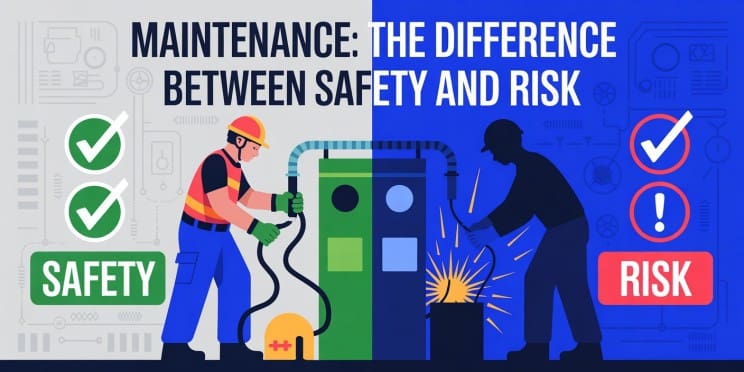
Even the best system fails if neglected. Facility managers should:
- Test monthly (30-second visual check) and annually (full 90-minute discharge test).
- Replace batteries every few years.
- Keep records for inspections.
- Train staff on emergency procedures.
Many building owners partner with Enhanced Electrical Services, providers that specialize in emergency lighting maintenance. These professionals can perform required testing of emergency lights, identify issues early, and handle replacements as needed—ensuring systems remain fully operational and code-compliant without burdening in-house staff.
A non-functional sign or light can turn a manageable situation into a tragedy.
Don’t wait for an inspection—or an emergency—to find out something isn’t working. Call (775) 830-2033 today and schedule a consultation.
Exit signs and emergency lighting may seem like small details in your building… until they become the most important systems you have.
They save time. They reduce chaos. They save lives.
At Enhanced Electrical, we’re committed to making sure your business is prepared, protected, and compliant—every single day.
📞 Schedule your consultation today: (775) 830-2033
Because when the lights go out… safety should never be in question.
As electric vehicles (EVs) continue to surge in popularity, homeowners are increasingly turning their garages into personal charging stations. However, with this convenience comes the need for heightened safety measures.
The National Electrical Code (NEC), which sets the standards for electrical installations in the US, has undergone significant updates to address the unique demands of EV charging. In this post, we'll explore the shift away from outdated practices like using range receptacles, the introduction of mandatory GFCI protection, the emerging requirement for EV-rated receptacles in the 2026 NEC, and the critical role of electrical load calculations in ensuring a safe setup. Whether you're a new EV owner or an electrician, understanding these changes can prevent hazards and keep your home powered efficiently.

Historically, many early EV adopters relied on NEMA 14-50 outlets—commonly known as range receptacles—for Level 2 charging. These 50-amp outlets, designed primarily for electric stoves or dryers, were a convenient plug-and-play option since they matched the voltage and amperage needs of many portable EV chargers. However, this approach has proven problematic over time.
The core issue lies in the design and rating of these receptacles. Unlike stoves, which operate intermittently, EV chargers often draw a continuous heavy load—up to 40 amps or more for hours on end. Standard range outlets aren't built for this sustained use or the frequent plugging and unplugging typical of daily EV charging. Over time, this can lead to loose connections, poor heat dissipation, and arcing at the contacts. Inferior materials in cheaper outlets exacerbate the problem, causing melting, charring, and in worst-case scenarios, fires.
Real-world incidents highlight the dangers. Numerous reports detail melted NEMA 14-50 outlets sparking garage fires, with damage ranging from scorched walls to near-total home losses. For instance, EV owners have shared stories of outlets failing dramatically after months of use, often due to non-industrial-grade components that can't handle the thermal stress. These failures aren't isolated; they've become a common topic in EV communities, prompting warnings from experts to opt for hardwired installations or high-quality, EV-rated outlets instead.
The lesson? What seemed like a simple solution in the early days of EVs has revealed itself as a ticking time bomb, pushing code updates to prioritize safety.

Recognizing these risks, the 2023 NEC introduced key changes in Article 625, which governs Electric Vehicle Power Transfer Systems. One of the most significant is Section 625.54, requiring Ground Fault Circuit Interrupter (GFCI) protection for all receptacles used in EV charging. This applies to cord-and-plug-connected Equipment (EVSE), ensuring that any ground faults—such as those caused by moisture, damaged cords, or faulty wiring—are detected and interrupted almost instantly, preventing shocks or fires.
Previously, GFCI was often recommended but not universally mandated for EV outlets. Now, it's required for both indoor (like garages) and outdoor installations, expanding on earlier codes that focused on wet locations. For hardwired chargers, GFCI is only necessary if specified by the manufacturer, but the code emphasizes dedicated circuits and overcurrent protection to match.
Looking ahead, the 2026 NEC builds on this by extending GFCI requirements to all outlets, including hardwired EVSE, further closing potential safety gaps. These updates reflect a broader trend: as EVs become mainstream, codes are evolving to treat charging infrastructure as a dedicated, high-demand system rather than a repurposed appliance outlet.

A major upcoming change in the 2026 NEC (published in late 2025) is found in Section 625.44 (Equipment Connection). This section now requires that all non-locking 30A, 50A, and 60A receptacles used for portable or hand-fastened cord-and-plug-connected EVSE must be specifically listed for EVSE (Electric Vehicle Supply Equipment) or WPTE (Wireless Power Transfer Equipment) use. This directly addresses the fire risks from generic range receptacles under continuous heavy loads.
Additionally, the 2026 NEC prohibits installing a 50A receptacle on a 40A branch circuit—a common practice that contributed to overheating issues.
While the 2026 NEC is now available and becomes effective in many jurisdictions starting in 2026 (with some delays or grace periods), adoption varies by state and locality. In Reno, Nevada (Washoe County), the 2023 NEC (with local amendments) is currently in effect, and full adoption of the 2026 edition is not yet required. That said, using an EV-rated receptacle (such as those from Hubbell or Leviton specifically marked for EV charging) is strongly recommended even under current codes due to the documented fire risks.
Before plugging in that new charger, one non-negotiable step is conducting a thorough electrical load calculation. This assesses whether your home's electrical panel and service can handle the additional demand without overloading circuits, which could lead to tripped breakers, overheating wires, or worse.
If your calculation shows you're over capacity, options include upgrading your panel, using a load-sharing device, or opting for a lower-amperage charger. Always have a licensed electrician perform this—it's not just code compliance; it's about safety.

The NEC's updates for EV charging underscore a simple truth: EVs are transforming how we power our lives, but safety can't be an afterthought. Moving beyond range receptacles, embracing GFCI protection (and soon EV-rated receptacles per 2026 NEC Section 625.44), and prioritizing load calculations are essential steps to mitigate risks like fires and overloads.
If you're planning an installation, consult a qualified electrician familiar with the latest codes—your home (and your EV) will thank you. Stay tuned for more on emerging tech like bidirectional charging, and drive safe!
Jim Baffrey - Enhanced Electrical Services Inc.
Office: (775) 830-2033 | Mobile: (775) 830-2123
Power outages in Northern Nevada aren’t just inconvenient — they can disrupt daily life, damage equipment, spoil food, and bring business operations to a halt. From seasonal storms to unexpected grid failures, outages are becoming more common, which is why more homeowners and businesses are turning to backup generators for peace of mind.
At Enhanced Electrical, based in Sparks, Nevada, we help customers stay powered, protected, and prepared.
The Benefits of a Backup Generator
A professionally installed generator ensures that when the power goes out, your lights — and your life — stay on. Key benefits include:
Whether it’s a short outage or an extended blackout, a generator keeps you in control.
Residential & Commercial Generator Solutions
Enhanced Electrical offers generator sales and professional installation for both residential and commercial properties. We help you choose the right generator based on your power needs, property size, and budget — then handle the installation safely, cleanly, and to code.
Our licensed and insured electricians manage the entire process, from load calculations and permitting to final testing and walkthroughs.
Buy Your Generator Locally in Sparks, Nevada
When you purchase a generator through Enhanced Electrical, you’re not just buying equipment — you’re gaining a trusted local partner. We stand behind our work and are here to support you long after installation.
Serving Sparks, Reno, and the surrounding Northern Nevada area, we’re proud to help our community stay prepared year-round.
Jim Baffrey - Owner EnhancedElectrical.net